In visual art and design, negative space refers to the void or empty areas that surround and interpenetrate three-dimensional forms (positive space) within a composition. It is not merely an absence but an active, integral component that shapes perception, emphasizes positive elements, defines boundaries, and establishes relationships between objects. This dynamic interplay allows artists to explore a wide spectrum of visual possibilities, often manipulating the viewer's interpretation through the deliberate blurring of distinctions between figure and ground.
Our capacity to interpret images is fundamentally rooted in our ability to differentiate between figure and ground. For instance, a solitary black oval on white paper might initially be perceived as a void or an undefined mark. However, if accompanied by subtle forms suggestive of a forehead, nose, and chin, the surrounding white area actively transforms into the implied negative space that shapes a recognizable head (positive space). This constant perceptual shift is a fundamental technique in visual illusion, inviting continuous engagement and re-evaluation of the composition.
Negative space is a profoundly significant element in sculptural art, often actively shaped by artists. In ancient Egyptian raised relief, where figures project from a background, the projecting forms are considered positive and the background negative. In three-dimensional sculpture, forms emerge either through the addition of material or, importantly, through the removal of material, defining the surrounding negative space. In the early 20th century, modernist sculptors like Constantin Brâncuși, Henry Moore, and Barbara Hepworth revitalized carving, integrating negative space as a foundational aspect of their formal theories. Brâncuși’s Endless Column (1930s) features rhythmic, repeating modules that create an outdoor space defined by the voids between them. Moore, in his reclining figures, and Hepworth, in her pierced abstract sculptures, both masterfully employed negative space to integrate their works with the surrounding environment, a landscape often perceived through the openings and voids within the sculptures themselves.
Some artistic processes inherently require artists to actively manipulate negative space. In printmaking techniques like intaglio, the artist incises lines or areas into a plate, and these incised parts hold the ink. The raised, non-incised areas are wiped clean, allowing the incised (negative) forms to print. The meticulous orchestration of the interplay between figure and ground is crucial. In photography, the term "negative" refers to the tonal inversion of an image on film, where light and dark values are reversed. While this relates to tonal rather than strictly spatial negative space, the concept of a "negative" revealing a "positive" image underscores a broader artistic engagement with inversion and transformation.
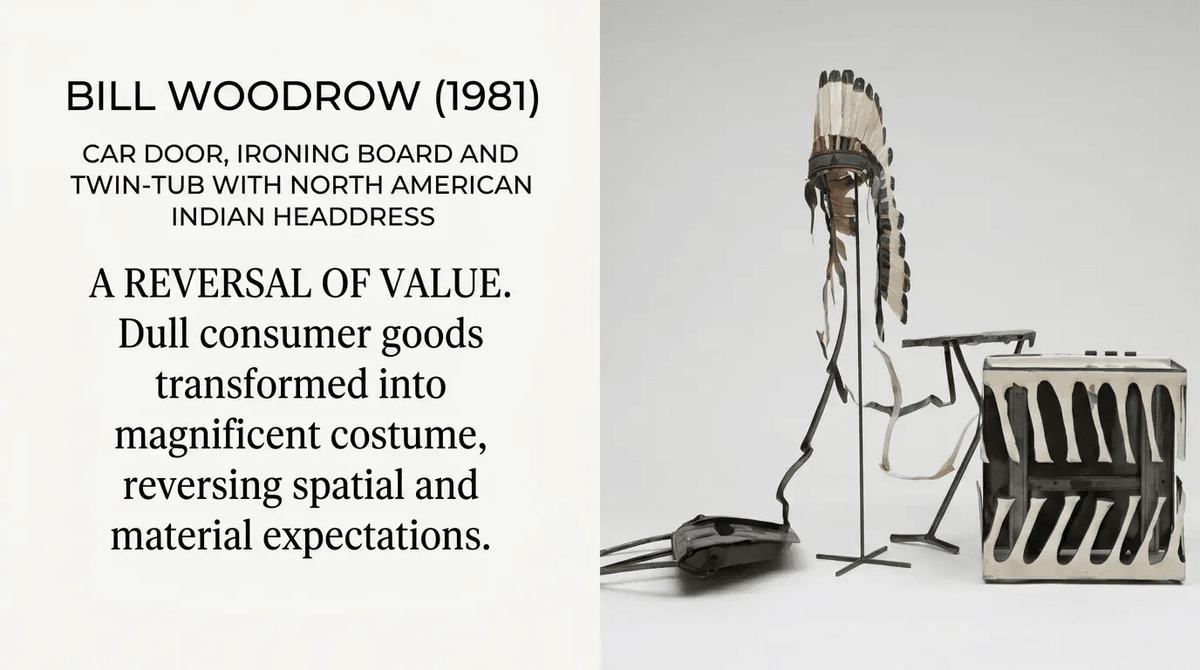
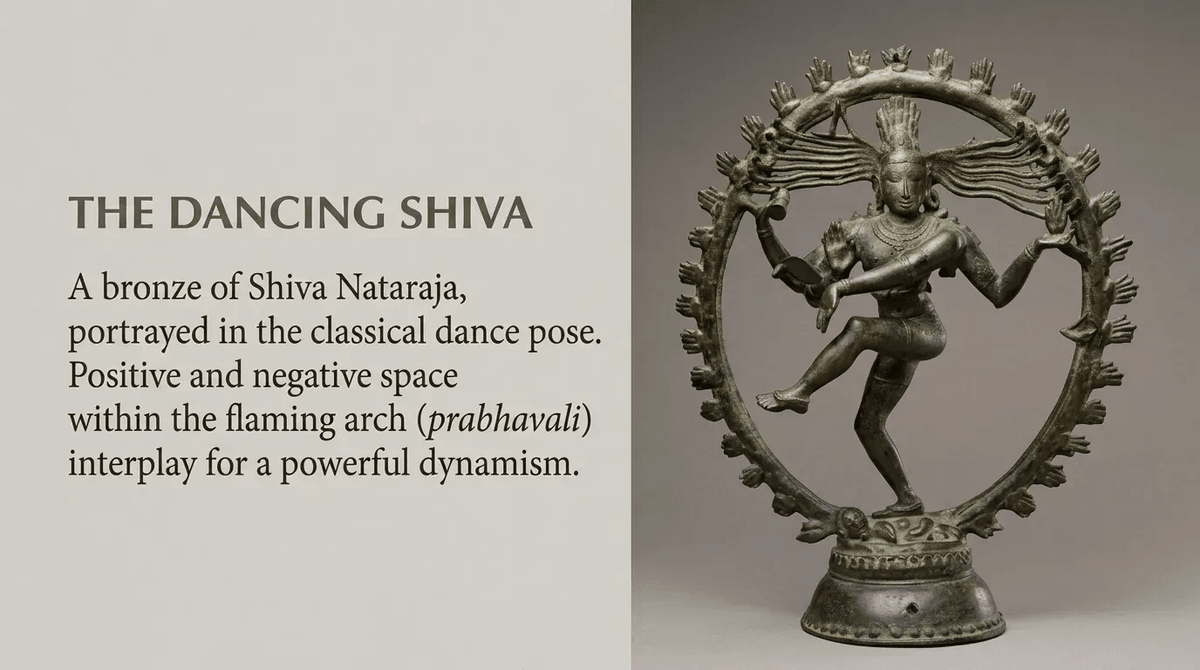
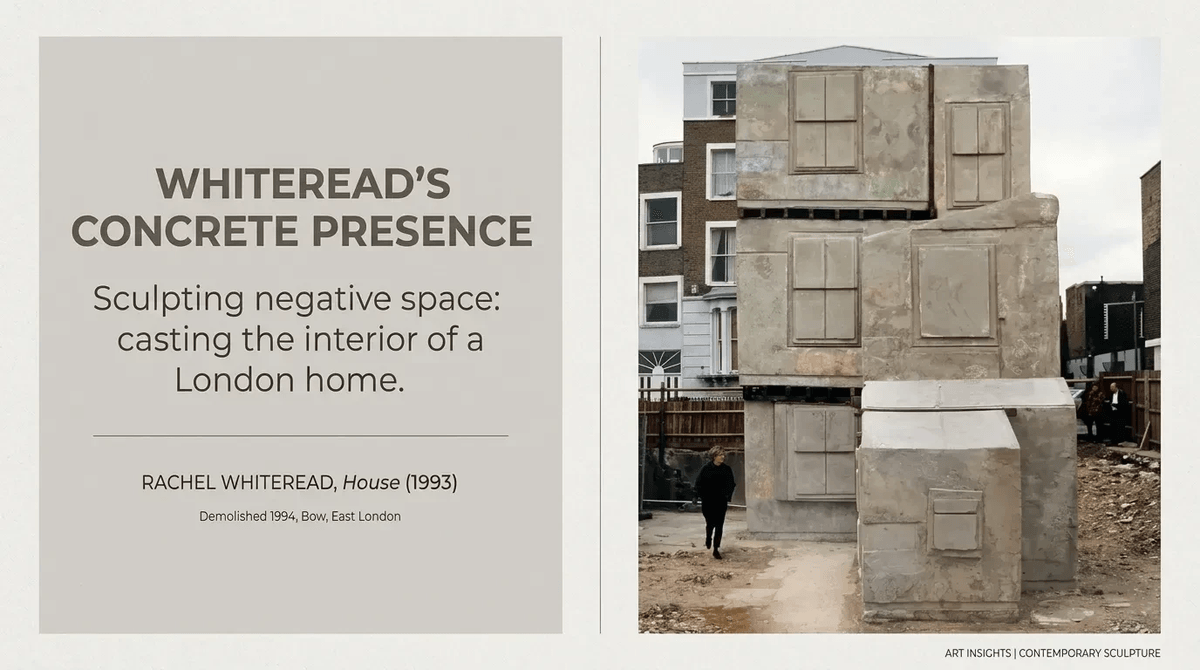
Contemporary sculptors often play with the inversion of positive and negative space to achieve striking effects. Bill Woodrow, known for transforming found objects, created North American Impression of a Head-Dress (1981) from a washboard and a twin-tub washing machine. By cutting out flat metal shapes from the washing machine to form an indigenous American feather headdress, he demonstrated how the removed material (the negative space of the original object) could become a new, positive form. Similarly, Rachel Whiteread’s Nameless Library (Judenplatz Holocaust Memorial) in Vienna created a sculpture from casts of the interior void of library shelves, externalizing an internal absence. This profound use of negative space forms a powerful cultural memorial to those who were turned to "air and ash" during the Holocaust, solidifying absence into a tangible monument. The interplay of positive and negative space is also central to traditional forms, such as the bronze Shiva Nataraja (Dancing Shiva), where the deity’s dynamic pose and the surrounding flaming arch (prabhavali) create a powerful dynamism through their visual relationship.