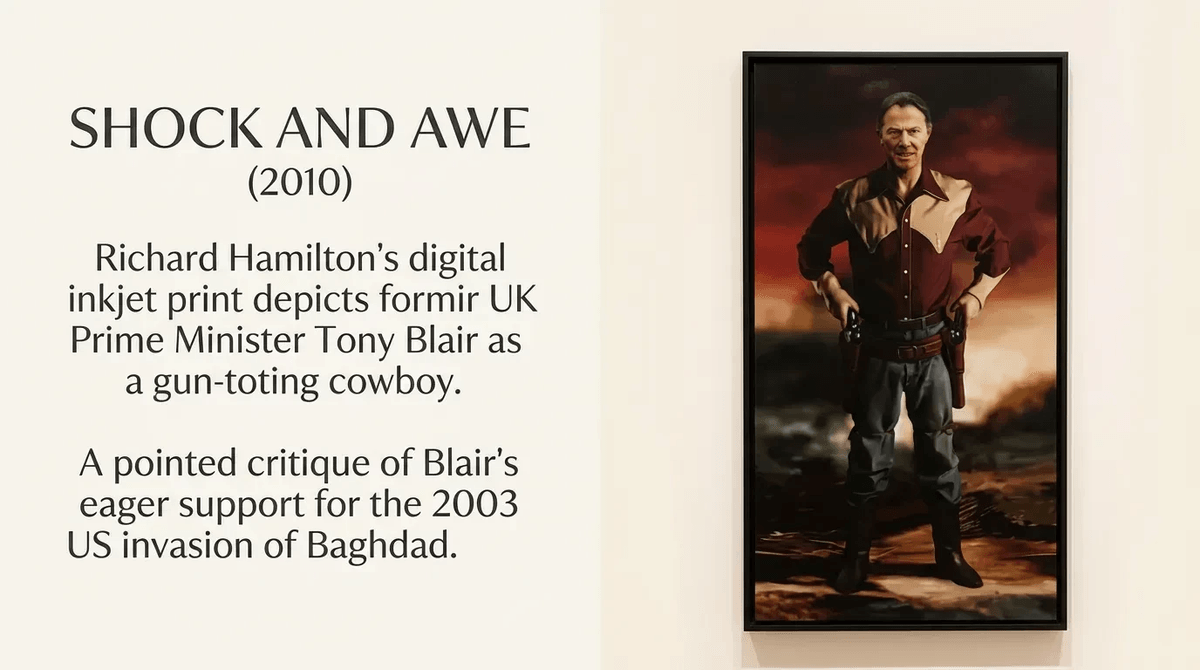
Digital technology, as a systematic methodology for encoding information, offers a distinct approach from traditional mediums like painting or photography, which primarily capture the inherent qualities of the physical world. Digital visual information, free from the material constraints typically associated with its storage, manipulation, and display, has unlocked immense innovative potential for artistic creation. By fundamentally challenging the physical nature of its medium, digital art redefines core concepts of artistic practice and production.
The origins of modern coding technology can be traced to early innovations in scientific and strategic thinking, such as Joseph Marie Jacquard’s punch-card system for his complex automatic loom in the early 19th century. Following 1945, with the rapid development of computer technology, digital systems—including binary code and electronic programs—became the standard for capturing information from diverse sources. This evolution demonstrated that not only numerical data but also visual, auditory, and tactile information could be digitized, laying the groundwork for a new sensory and conceptual landscape in art.
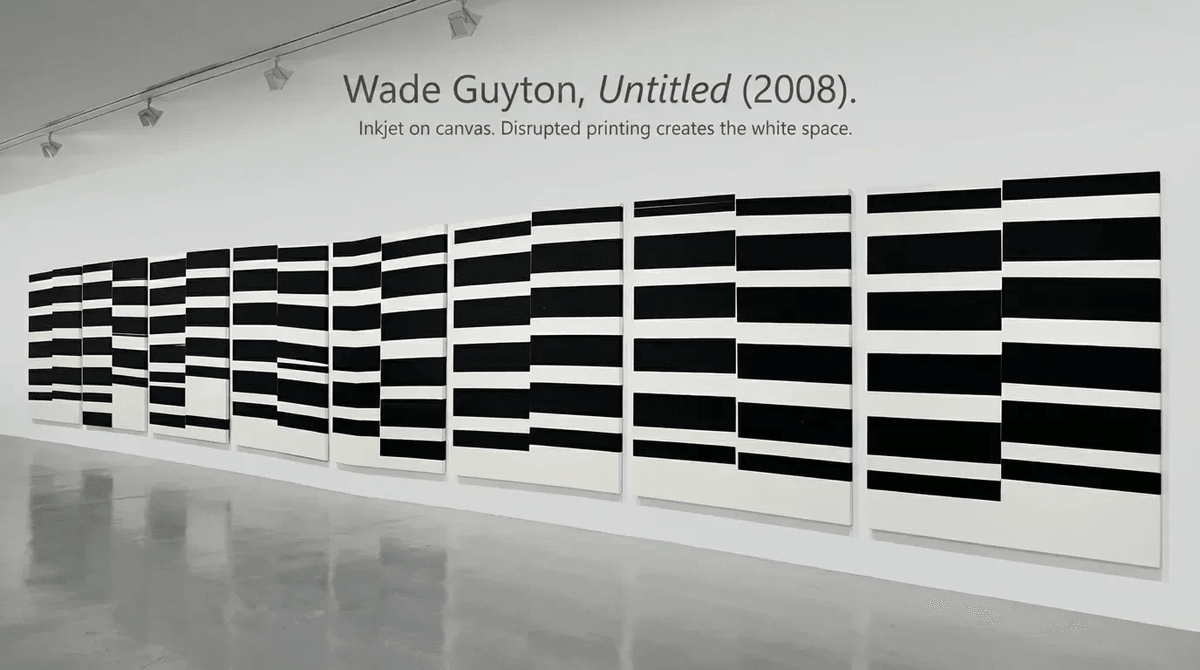
Computers empower users to manipulate electronic data with a high degree of interactivity, fundamentally transforming image-making. What was once a direct physical imprint of its original subject—whether the stone carved by a sculptor or the light captured on a photographic plate—digital technology now converts every signal into a string of code. This shift means that the artist’s activity often bypasses the creation of a unique physical artwork, instead augmenting or transforming electronic data. When data from various sources is combined and processed, the result is a new digital image, whose relationship to "originality" becomes complex and fluid, as it can be endlessly replicated, modified, and re-contextualized. While computer users, including artists and audiences, can access an unprecedented wealth of visual cultural material, a significant aspect of the digital information revolution is that much of this material is frequently experienced passively on small, rectangular screens, challenging the traditional modes of artistic engagement.
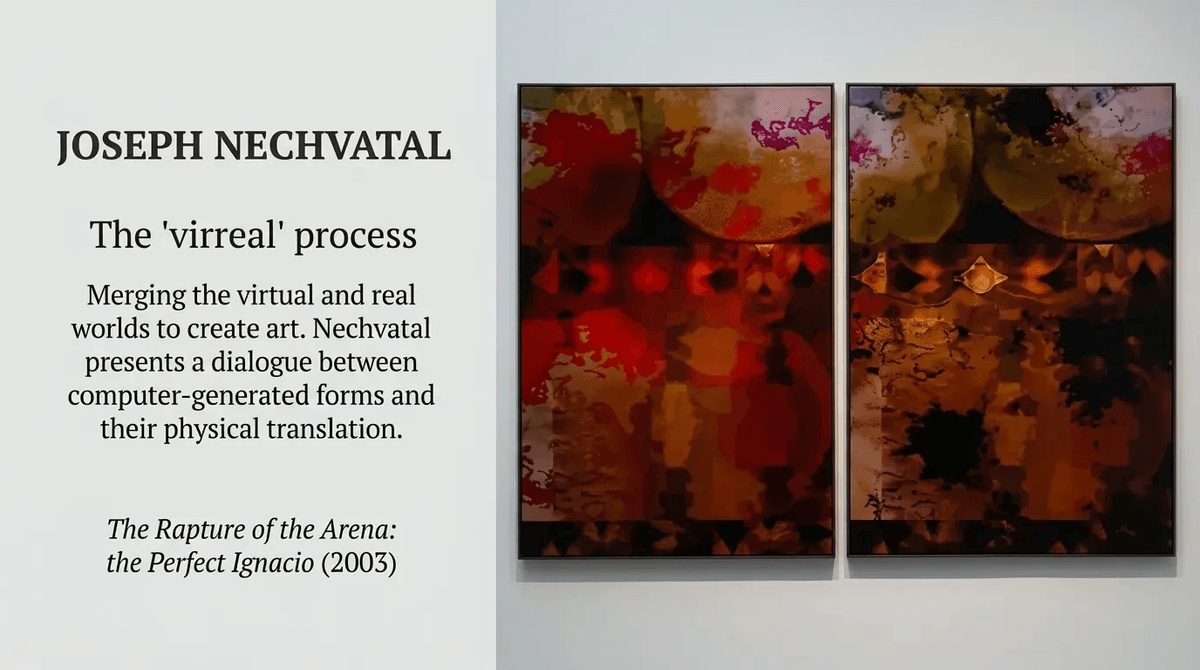
Artists have extensively explored the potential and limitations of digital technology. For instance, Wade Guyton’s works integrate digital information with physical media, machines, and visual conventions, investigating how these technologies shape human perception and experience. He employs inkjet printers as tools to create paintings, drawings, and even sculptures, effectively reversing the process of digitalization by translating digital information back into physical objects. Beyond this, artists also engage in creating works solely within virtual worlds or use computer assistance to generate physical paintings. Video games, as an immensely successful entertainment product, also rely entirely on digital technology. They present complex interactive strategies and immersive experiences, offering a unique blend of narrative depth and user agency that challenges traditional notions of static art.