The human body, in its various forms and substances—skin, hair, bones, blood, and even bodily detritus—has served as a potent and challenging medium in art across millennia. While its use intensified in Western contemporary art from the 1960s, marking a significant shift from traditional art materials, the body's presence and its products have always been central to artistic and ritualistic expression. This deep historical engagement underscores the body's role as an "eternal present," a universal canvas and source material that transcends specific cultural and temporal boundaries.
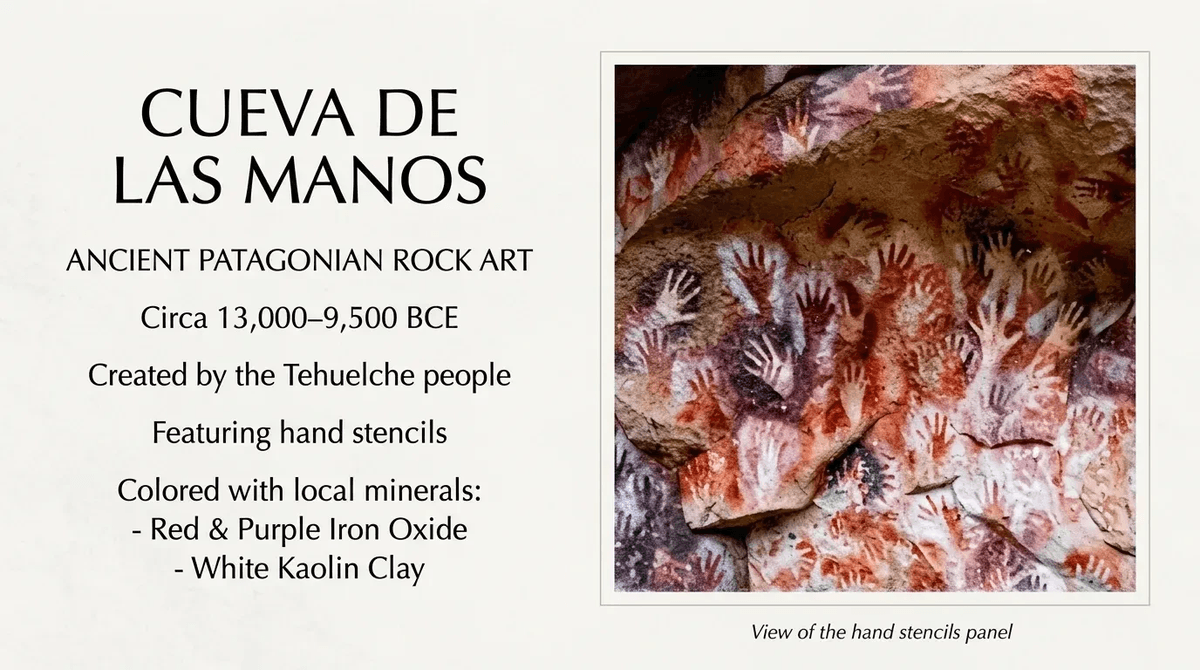
From prehistoric times, the body's direct imprint has been a fundamental artistic gesture. For instance, the hand stencils found at sites like Lascaux, created by blowing pigment over a hand pressed against a cave wall, convey a primordial immediacy. These ancient marks serve not only as a record of human presence but also embody an early form of self-portraiture. Similarly, the use of human remains, or elements derived from the body, in art and ritual is an ancient practice. Examples range from 28,000-year-old Paleolithic human skulls transformed into ritual objects in Europe, to the elaborate sarcophagi of Egyptian pharaohs, adorned with precious minerals, which encased and eternalized the deceased. These diverse examples from across cultures and millennia highlight how the body, in both its physical form and its constituent parts, has been a powerful artistic medium, constantly prompting discussions about its aesthetic, ethical, and regulatory implications.
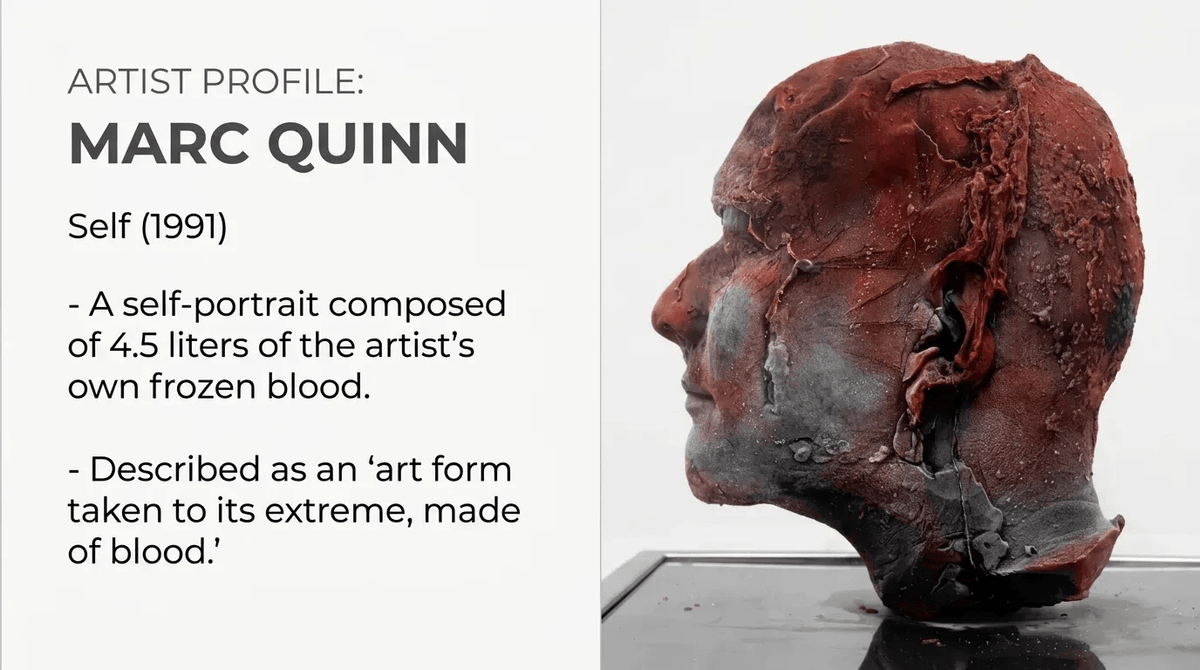
The 20th century witnessed a radical re-evaluation of the body as artistic medium, often driven by a desire to challenge traditional aesthetics and societal norms. Artists like Joseph Beuys engaged with bodily detritus in their work, using materials like clipped fingernails as part of broader, often shamanistic, performances. Beuys’s concept of "social sculpture" posited that every individual possesses creative potential, and every aspect of existence, including the most mundane bodily elements, could contribute to a holistic artwork. This approach underscored a belief that art need not solely reflect external physical reality but could also embody internal processes and symbolic meanings.
Beyond the individual artist, the body serves as a universal medium, bridging personal experience with broader cultural narratives. The shared human experience of having a body, regardless of physical differences, offers a potent site for artistic exploration. However, the use of bodily materials in art is not without its complexities. The increasing influence of the art market and media spectacle can risk reducing powerful artistic statements to mere sensationalism or fetishization. This raises critical questions about commodification, cultural appropriation, and the ethical boundaries of artistic practice. For instance, Bruce Nauman’s Self-Portrait as a Fountain (1966-1967), where the artist spits water from his mouth, transforms a mundane bodily function into a performative artistic gesture, challenging perceptions of both the body and art. Such works blur the lines between art and life, spectacle and substance, inviting viewers to confront their own physicality and societal taboos.
Ultimately, the body as a medium continues to provoke and inspire, asserting its timeless relevance in art. It provides a direct, visceral connection between artist, artwork, and audience, continually redefining the parameters of artistic creation and perception, while also reminding us of our shared, fundamental humanity.