Throughout history, artists have sought to transcend the boundaries of ordinary consciousness and perception, aiming to unlock new aesthetic dimensions. This quest has often involved exploring altered states of mind, whether through ancient rituals, spiritual practices, or, more recently, the deliberate harnessing of psychoactive substances. By intensifying, distorting, or even replacing conventional modes of perception, these methods have been instrumental in shaping various forms of visionary art, carving new, often rebellious, paths for artistic expression beyond traditional Western canons.
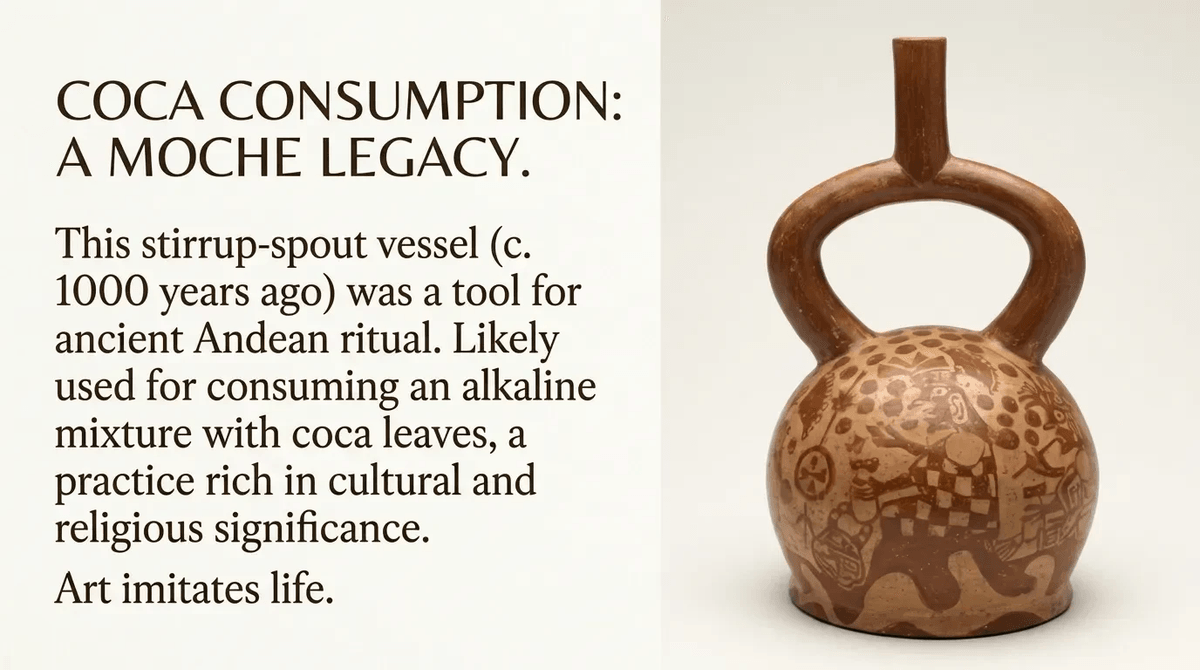
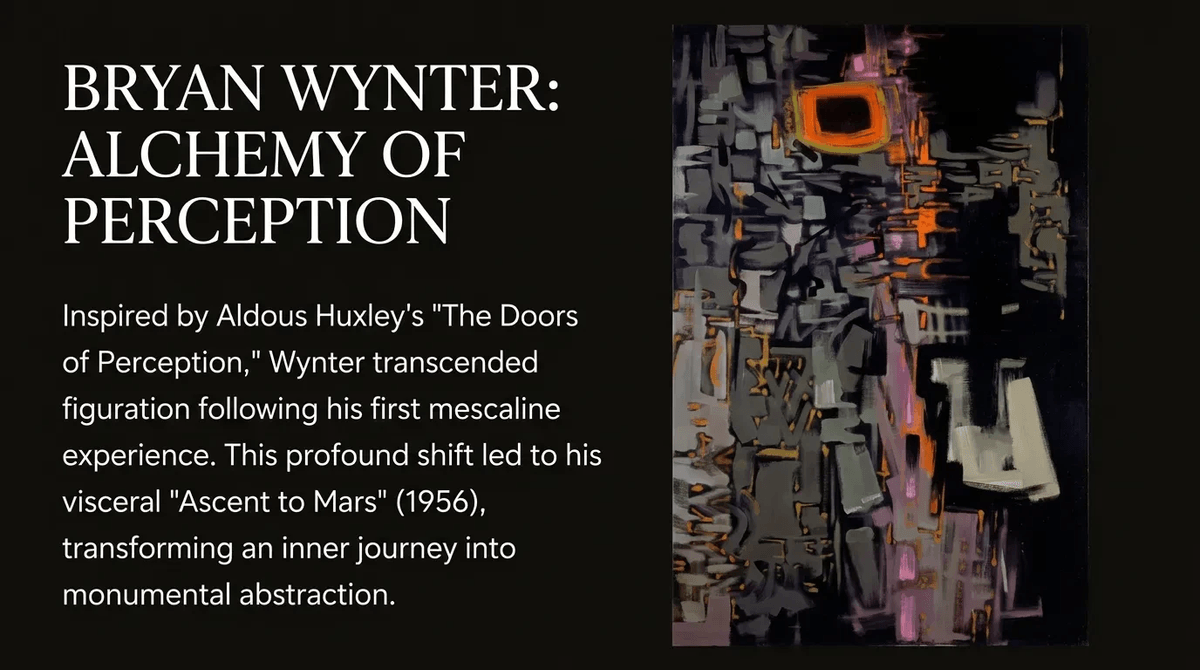
The use of plant-derived hallucinogens to induce visions is an ancient, cross-cultural practice, extensively documented in Indigenous African and American art predating the Columbian era. Such visions, often characterized by densely coiled, interlocking plant or bodily forms, or surfaces appearing to separate into slowly pulsating shapes and intricate organic textures, have profoundly influenced myriad artistic expressions. In the mid-20th century, Aldous Huxley famously described his mescaline experiences in The Doors of Perception (1954), vividly detailing how ordinary objects became imbued with profound significance, a testament to the transformative power of altered states.
In post-Napoleonic 19th-century Europe, the artistic and intellectual engagement with psychoactive drugs gained renewed attention. Cannabis, introduced from Egypt, sparked scientific and artistic inquiry. In 1840s Paris, writers and artists like Charles Baudelaire frequented the infamous 'Club des Hachischins,' where hashish was consumed. Baudelaire, notably, chronicled how hashish imbued colors with "unusual energy" and evoked synaesthetic experiences, where sounds were perceived as colors. While early Romantics occasionally used cannabis and opium as part of a bohemian lifestyle, the more systematic and intentional exploration of drugs for artistic purposes became a defining feature of the 20th century, especially within movements like Surrealism, which sought to unlock the unconscious mind as a source of creative inspiration.
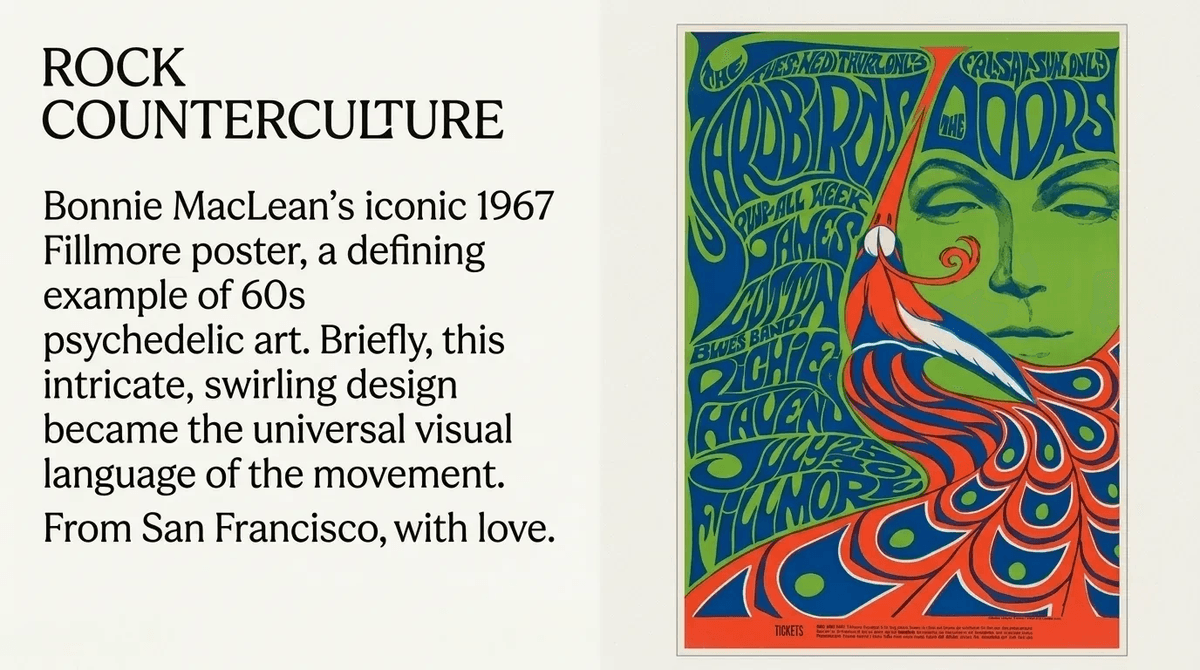
The latter half of the 20th century, particularly the 1950s and 60s in Western countries where hallucinogens like LSD were initially unregulated, witnessed a surge in artists finding inspiration in these substances. They aimed to free creative acts from conscious repression, expanding upon Surrealism's earlier experiments with automatism and dream states. This cultural moment profoundly influenced psychedelic art, characterized by its vibrant, intricate, and swirling designs that captured the mind-altering effects of these substances.
This exploration of altered perception continued into the late 20th century, yet often transitioned from chemically induced states to purely optical effects. Art forms such as Op Art, for instance, employed structured, often geometric, compositions to create illusions of movement and vibration, directly engaging the viewer's visual system without recourse to external substances. Artists like Victor Vasarely and Bridget Riley produced works that challenged retinal perception, demonstrating that profound sensory experiences could be evoked through visual manipulation alone. This shift reflected a broader engagement with visual phenomena, where the focus moved from chemically altered perception to purely visual 'mind games' for the viewer, thereby creating a new kind of intellectual and perceptual challenge within art.