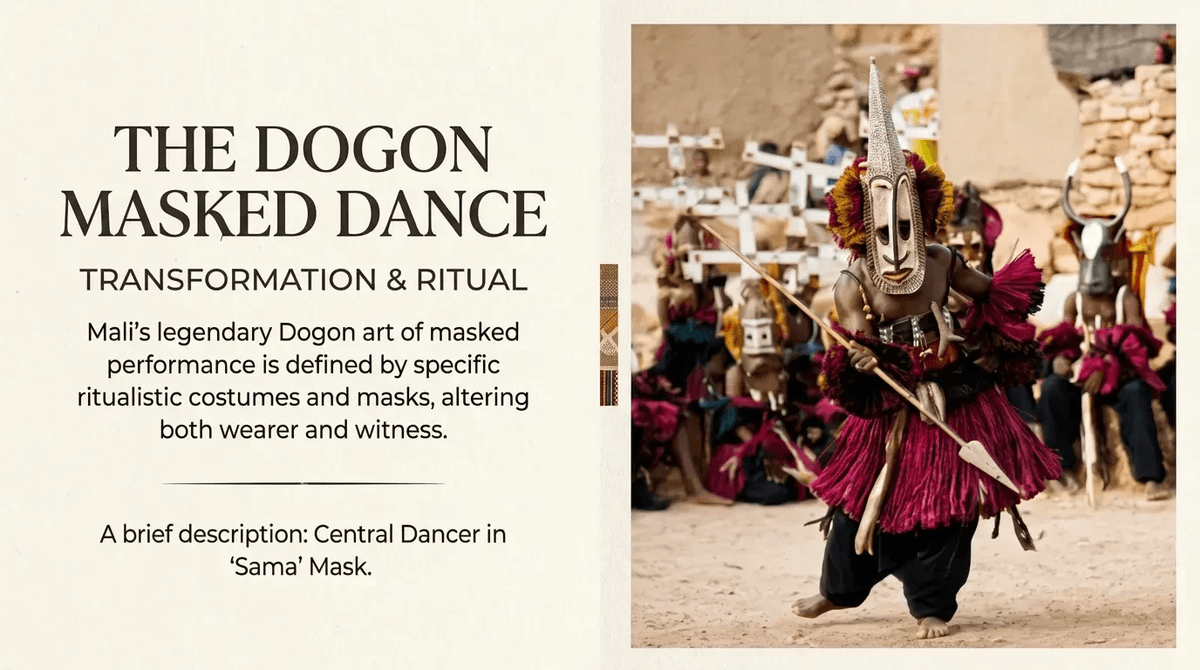
Performance art, broadly defined as art presented live by an artist, involves actions, gestures, and spoken words. It not only presents itself to an audience but often invites partial or full participation. While public performance as a distinct art form gained prominence in Western society from the mid-20th century, the concept of performative art has deep historical roots, echoing ancient rituals and popular entertainment forms across diverse cultures.
Historically, performance has been integral to religious rites and communal celebrations that engaged with the symbolic and transformative properties of objects and bodies. With the decline of traditional religious rituals and the rise of industrialization and commercialization in Western society, the concept of art evolved. Performance art, as a distinct medium, gradually emerged as a means for artists to express personal insights and critique social structures. Artists could connect directly with their audiences, much like actors in a theatrical setting. Early 20th-century avant-garde movements foreshadowed this. From the Futurist evenings of Filippo Tommaso Marinetti in Italy in the 1910s, through a decade of agitprop performances in revolutionary Russia, to the Dadaist gatherings and ceremonies at Cabaret Voltaire in Zurich during World War I, these events presented an eclectic mix of music, literature, poetry, and theater. These movements shared a common aim: political and artistic disruption, challenging bourgeois values and traditional aesthetic norms.
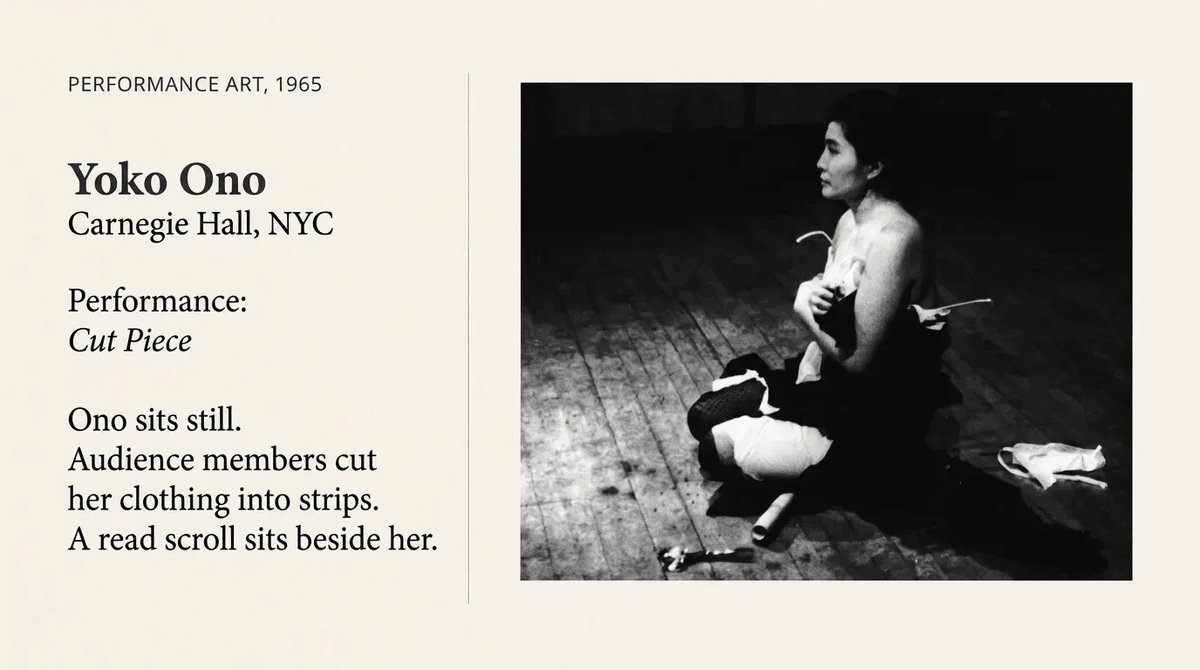
By the mid-20th century, the art world began a broader shift from the static art object to process-oriented and action-based art. Hans Namuth’s photographs of Jackson Pollock painting on the floor, for instance, captured the ephemeral nature of the painting process, highlighting a dynamic relationship between the artist and the work, rather than just the finished product. From the 1950s onward, performance art—encompassing diverse forms such as Happenings and Fluxus—began to explore new artistic territories, often blurring the boundaries between art and life. Artists like Allan Kaprow, who coined the term "Happenings" in 1959, and George Brecht, a key figure in Fluxus, incorporated everyday objects, actions, and audience participation into their art, radically reshaping aesthetic experience.
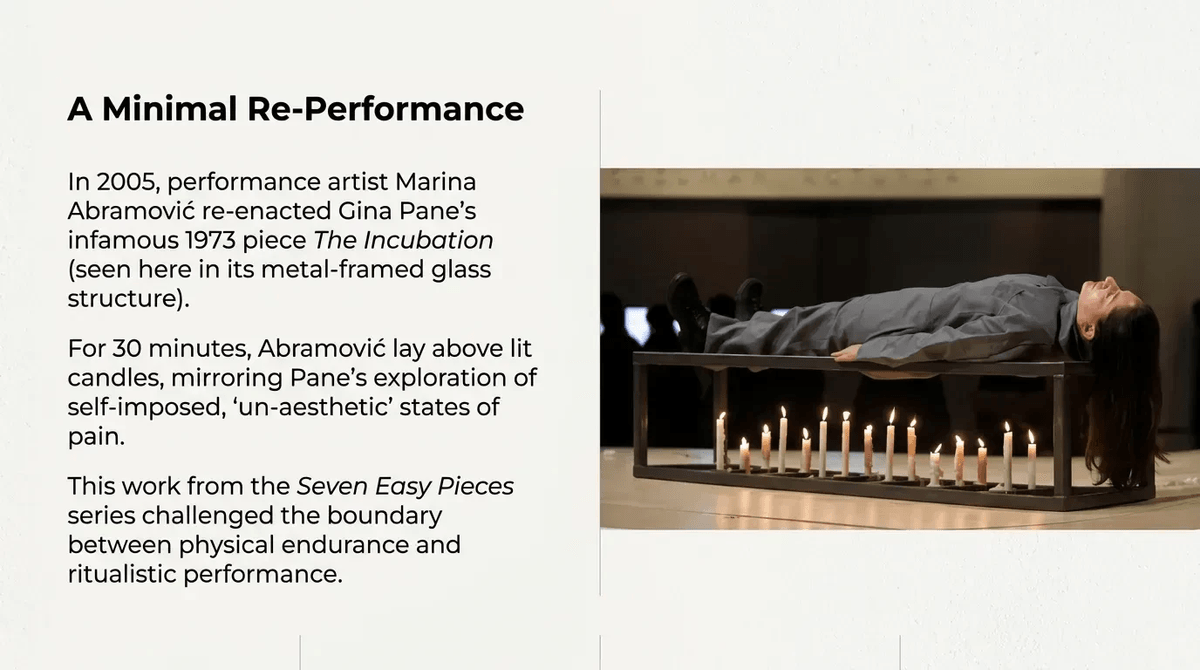
In the 1960s and 70s, politically and socially charged performance art flourished, with artists like Joseph Beuys and Allan Kaprow pushing the boundaries of what constituted art. Kaprow's Happenings, often organized in public, outdoor settings, fostered audience interaction and challenged conventional exhibition formats. Although initially met with incomprehension and controversy by many, these activities were gradually accepted, and their profound political and aesthetic significance became increasingly recognized. Performance art profoundly expanded aesthetic perceptions in the late 20th century, emphasizing the actions artists performed and the experiential impact on the audience over traditional art objects.