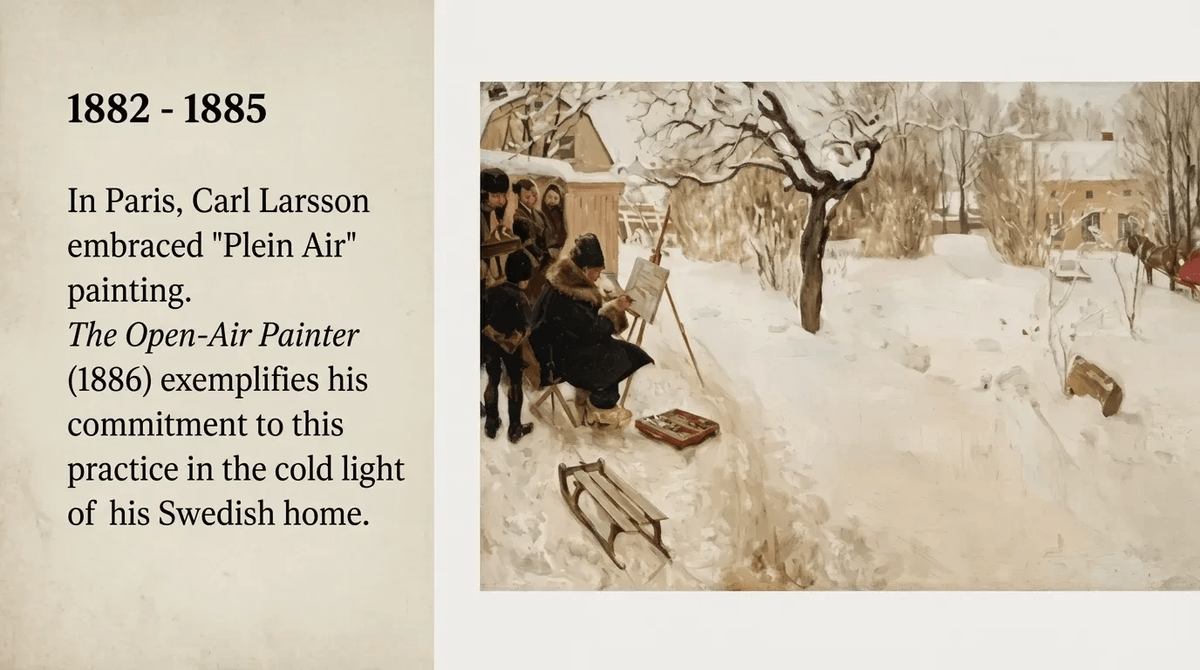
In 1841, the American portrait painter John G. Rand patented a method of preserving oil paint in squeezable metal tubes, which revolutionized artistic practice by allowing paint to be dispensed directly onto the palette. This simple yet profound invention freed artists to carry a ready supply of paint anywhere they wished to work, significantly expanding the possibilities for outdoor painting.
In fact, the handling of oil paint had evolved considerably since its emergence as an oil-based medium in Northern Europe in the 15th century. Long before Rand’s innovation, most artists had already ceased grinding their own pigments, instead relying on professional colourmen for ready-made paints. The concurrent rise of industrial chemistry further enriched the artist’s palette; for example, the discovery of the element cadmium in 1817 introduced brilliant yellows and vibrant reds to the painter's arsenal.
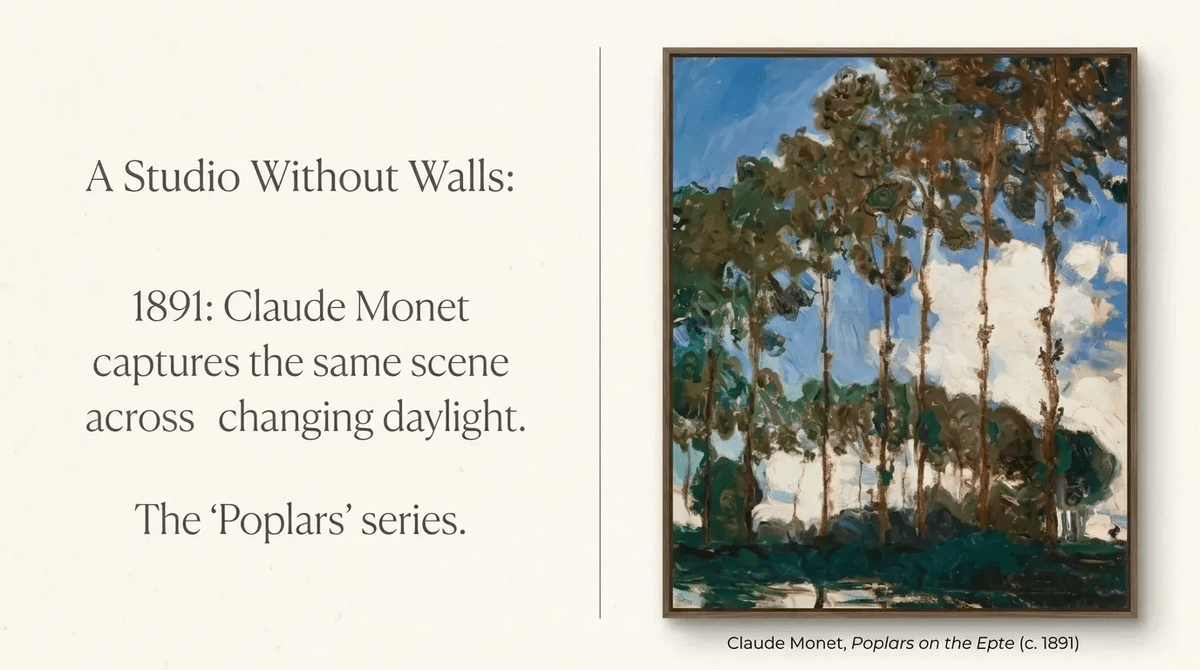
While earlier artists, such as Albrecht Dürer, had produced direct, realistic studies of nature outdoors—distinct from idealized landscapes—well before the mid-19th century, watercolour had traditionally been the preferred outdoor medium for Romantic landscape painters due to its portability. The growing desire to paint directly from nature, fueled by Realist ideals, redefined the artist’s objective as capturing the true, unadorned appearance of subjects. These factors collectively spurred the move towards plein air oil painting, rather than merely creating preliminary watercolour sketches to be elaborated later in the studio. Previously, outdoor oil painting was far more cumbersome than using watercolour. However, the invention of the paint tube made it entirely feasible. Tubed paints were swiftly marketed alongside a host of other portable equipment, including pre-stretched, ready-to-use canvases and folding field easels. Much like a photographer’s tripod, these easels could be set up anywhere, empowering oil painters to complete exhibition-ready works on location, a significant advance in convenience.
Impressionist painters, renowned for their ability to capture the fleeting effects of open-air light and atmospheric conditions in northern France, relied heavily on these tubed paints. The image of the outdoor artist, akin to the peasants depicted in the celebrated paintings of Jean-François Millet and Jules Bastien-Lepage, became an iconic feature of the art world itself, often accompanied by their portable gear.
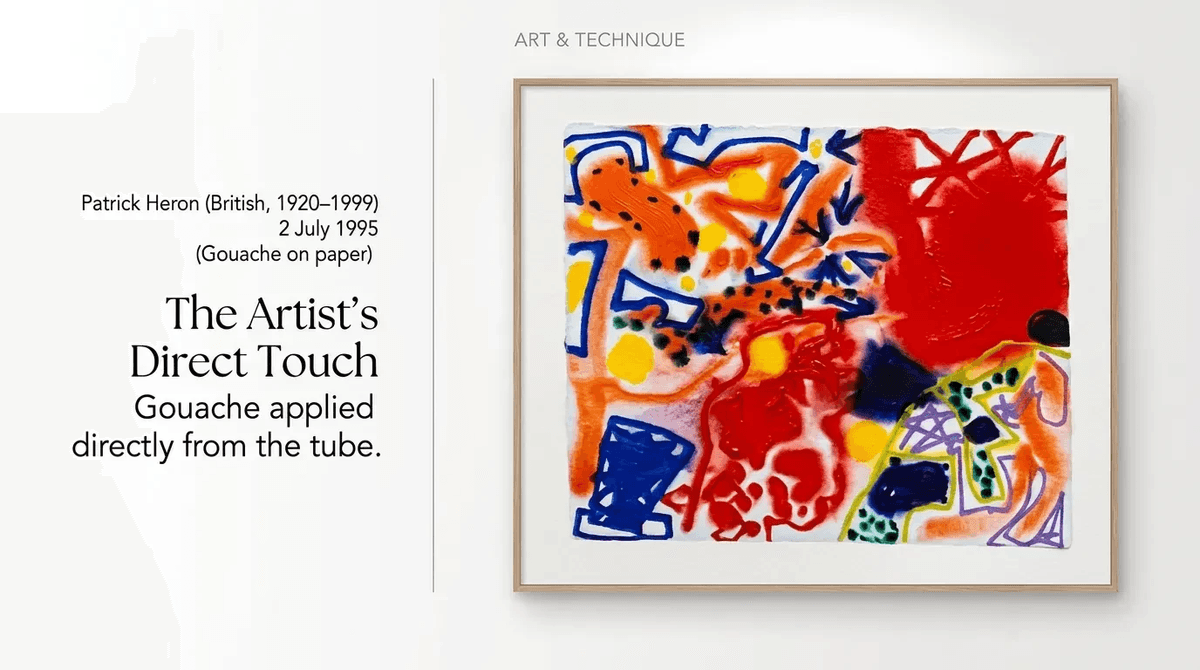
The buttery consistency of tubed paint necessitated a stiff, bristled brush, capable of leaving a distinct, textured mark on the canvas. Impressionists frequently employed a limited palette of intense colors, squeezing them directly onto the canvas rather than blending them slowly, thus enhancing the visibility of their brushwork. The individual brushstroke evolved from being merely a record of changing light to also conveying the artist’s physical and emotional response to the subject. Both these qualities found unique resonance in 20th-century art. Although acrylic paint—which fluidly combines the transparency of watercolour with the rich color of oil—emerged as a key tool for abstract painting, it has never entirely displaced artists’ enduring affection for the traditional tube of oil paint.