As industrial capitalism intensified competition, product design emerged as a crucial strategic tool. This era witnessed a complex relationship between artistic aesthetics and industrial production. In the 1880s, William Morris pioneered the Arts and Crafts movement, aiming to reintegrate art, design, and traditional craftsmanship into manufacturing processes and daily life. This movement, alongside similar initiatives across Europe, profoundly influenced domestic architecture and design, with its impact lasting for over seventy years. Morris himself, however, famously lamented that the high-quality, beautifully crafted objects produced by his firm ultimately served only 'the swinish luxury of the rich,' highlighting the inherent tension between artistic ideals and economic realities.
The Industrial Age and Art Education
These developments were significantly spurred by intense industrial competition among nations like Britain, France, and Germany. Institutions like the South Kensington Museum (established 1857, now the Victoria and Albert Museum) were founded specifically to offer historical design models to students, thus empowering British industry to uphold its competitive advantage. Art education consequently adopted a more utilitarian focus, aligning with the demands of industry and commerce. This culminates in Walter Gropius’s groundbreaking vision for the Bauhaus, which fundamentally integrated art and technology. Its multidisciplinary modernist ethos was powerfully articulated in the school’s 1919 manifesto: "Architects, sculptors, painters, we must all return to the craft! [...] Let us desire, conceive, and create the new building of the future together."
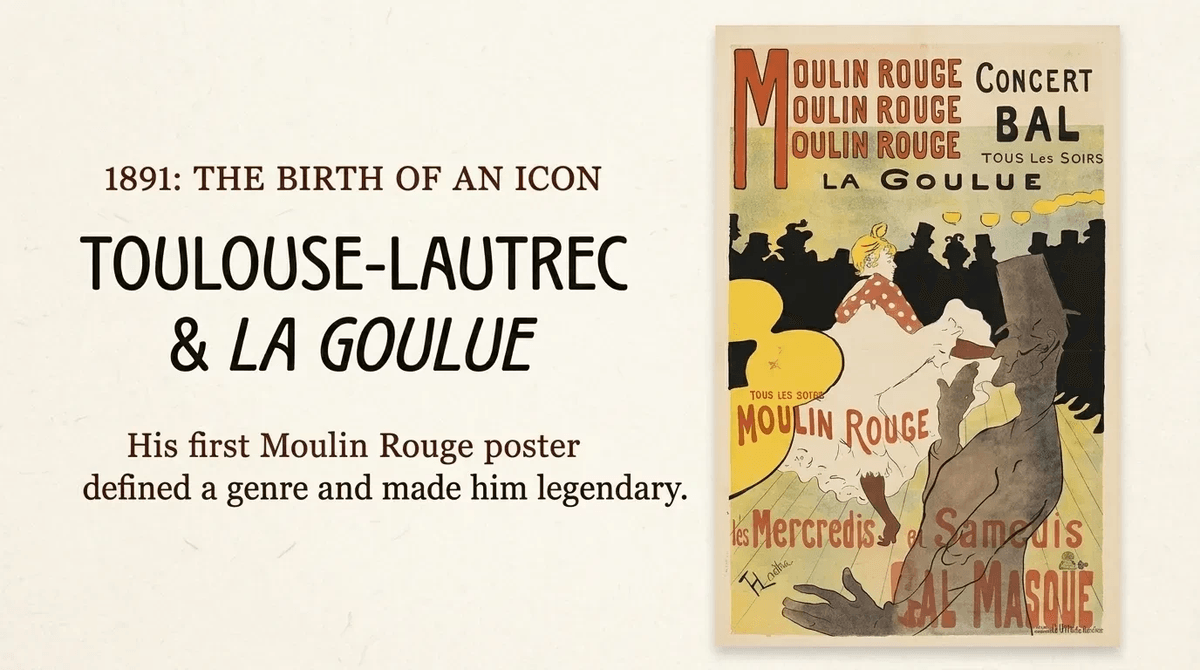
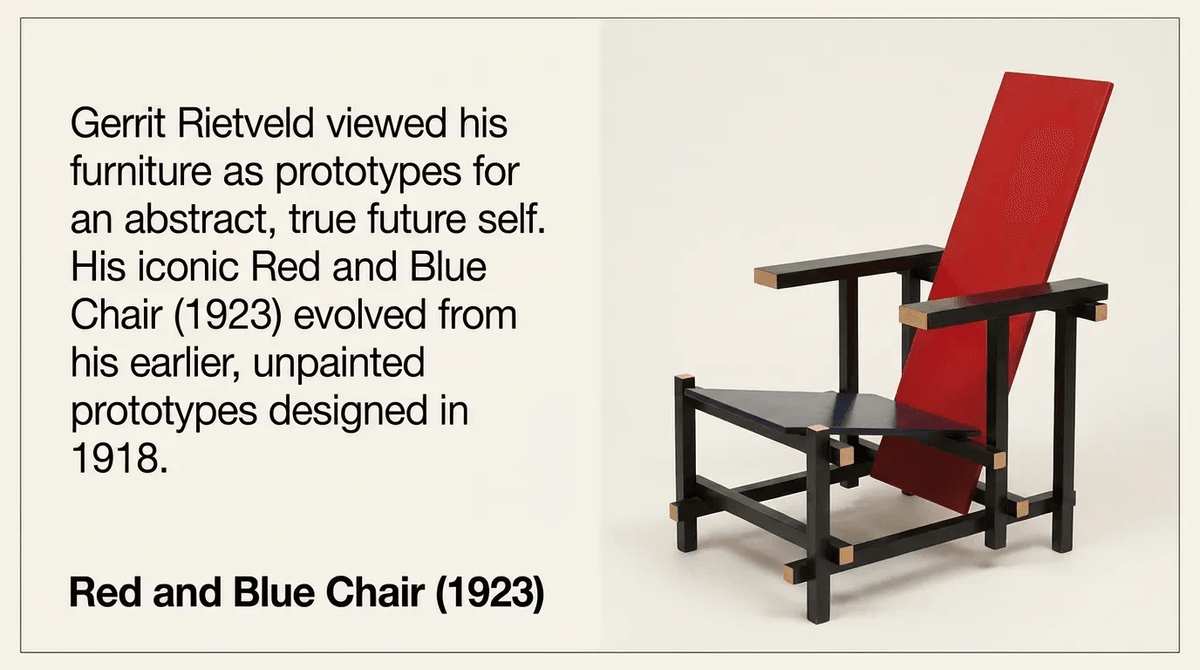
The advent of mass production raised questions about the "aura" and uniqueness of traditional art. If art was to thrive in modern society, it had to redefine its engagement with mass culture. Henri de Toulouse-Lautrec’s vibrant color lithograph posters, for instance, exemplify how artists adapted fine art principles to commercial design. These posters drew significant inspiration from Japanese Ukiyo-e prints, whose distinctive flat compositions and bold aesthetics captivated European artists upon their widespread introduction. This cross-cultural influence demonstrated that artistic innovation could flourish in commercial contexts. Moreover, even abstract art theories found application in product design. For Piet Mondrian, art was fundamentally a "pure expression of the human mind," distilled into abstract compositions. His theories profoundly influenced Theo van Doesburg, whose De Stijl journal proclaimed: "The object of nature is man, the object of man is style." This philosophy was tangibly manifested by Gerrit Rietveld, a De Stijl contributor, whose iconic furniture, such as the Red and Blue Chair, served as a functional and sculptural embodiment of Mondrian’s abstract principles.
The Artist as Brand
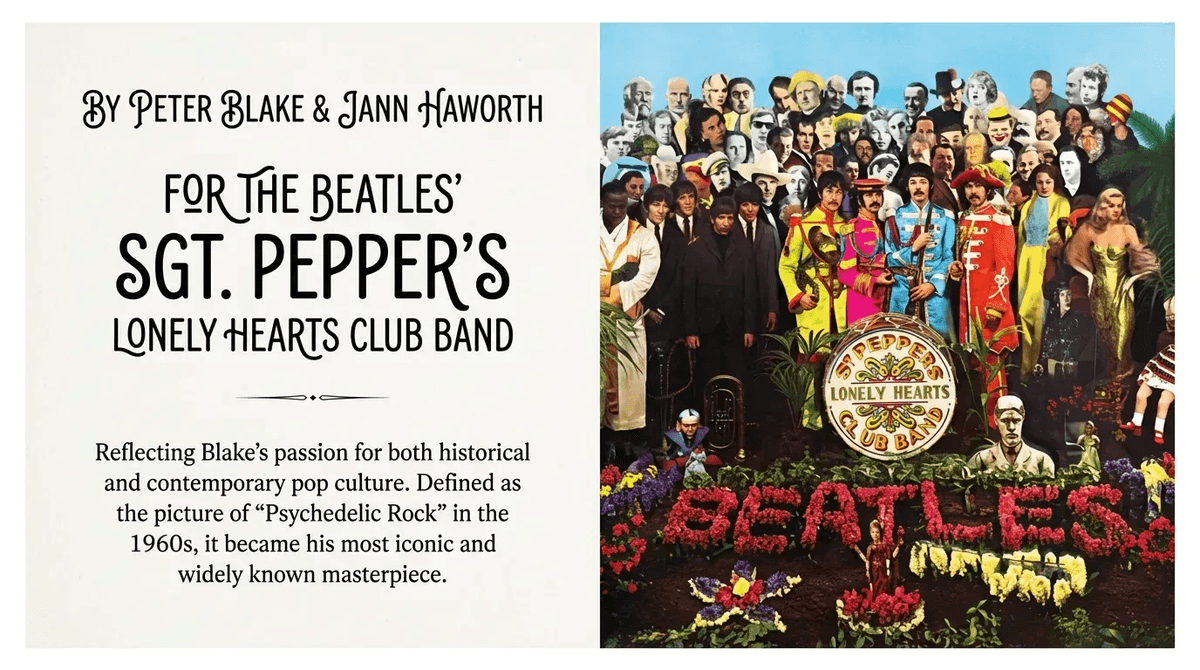
By the 1960s, commercial design in Britain and the US adeptly captured the burgeoning youth market by embodying a spirit of creative individuality—a quality artists had long championed. Peter Blake and Jann Haworth’s iconic album sleeve for The Beatles’ Sgt. Pepper’s Lonely Hearts Club Band masterfully fused surrealist photomontage, retro typography, and floral arrangements, drawing on both urban and hippie cultures. This celebrated design transcended its commercial function, becoming a cultural artifact in its own right, often collected as if it were a fine art print. Simultaneously, fashion designers like Issey Miyake, whose early collections were lauded as "poems of cloth and stone," elevated clothing to the realm of wearable art. In the 1990s, the Young British Artists (YBAs) further capitalized on this convergence, strategically cultivating their public personas to market the romantic ideal of the artist as a highly commercialized personal brand, demonstrating a sophisticated awareness of self-promotion within the art world.