Unlike oil paint, which traditionally demands extensive practice for aesthetic mastery, water-soluble pigments offer an immediacy that can yield compelling results with relative accessibility. While the precise origins of watercolour as a primary artistic medium in Europe are debated, it gained significant traction from the 18th century onward, becoming a favored choice for studies, sketches, and eventually finished works for a wide range of practitioners.
Watercolour consists of pigment mixed with water and a binder, typically gum arabic or sometimes egg yolk, allowing the color to adhere to a surface. The paint can be thinned to achieve various degrees of transparency or translucency. Unlike oil paint, which dries slowly, watercolour is typically applied to absorbent paper, fixing the pigment quickly. This property enables artists to apply successive washes of diluted color without disturbing the layers beneath. The unique characteristics of water-soluble pigments make them exceptionally effective for specific atmospheric and luminous effects. Furthermore, the ability to produce a wide range of color concentrations—from subtle washes to vibrant opaques—coupled with its fluid nature, makes watercolour an ideal medium for fast, spontaneous, and experimental painting.
Historical Trajectories and European Development
In ancient Egypt, China, and various other cultures, artists utilized water-soluble pigments extensively, for frescoes, prints, and manuscript illumination. However, the development of watercolour as a distinct, transparent painting medium on paper in Europe saw a slower evolution. While European artists were initially hesitant to fully exploit paper's advantages over parchment for finished works, its lightness and portability were quickly recognized as ideal for artists on the move. Figures like Albrecht Dürer (late 15th to early 16th century) meticulously observed and captured the brilliant hues of plants and animals in watercolours, achieving a detailed naturalism that stood in sharp contrast to the rich, jewel-like effects often found in contemporary oil painting.
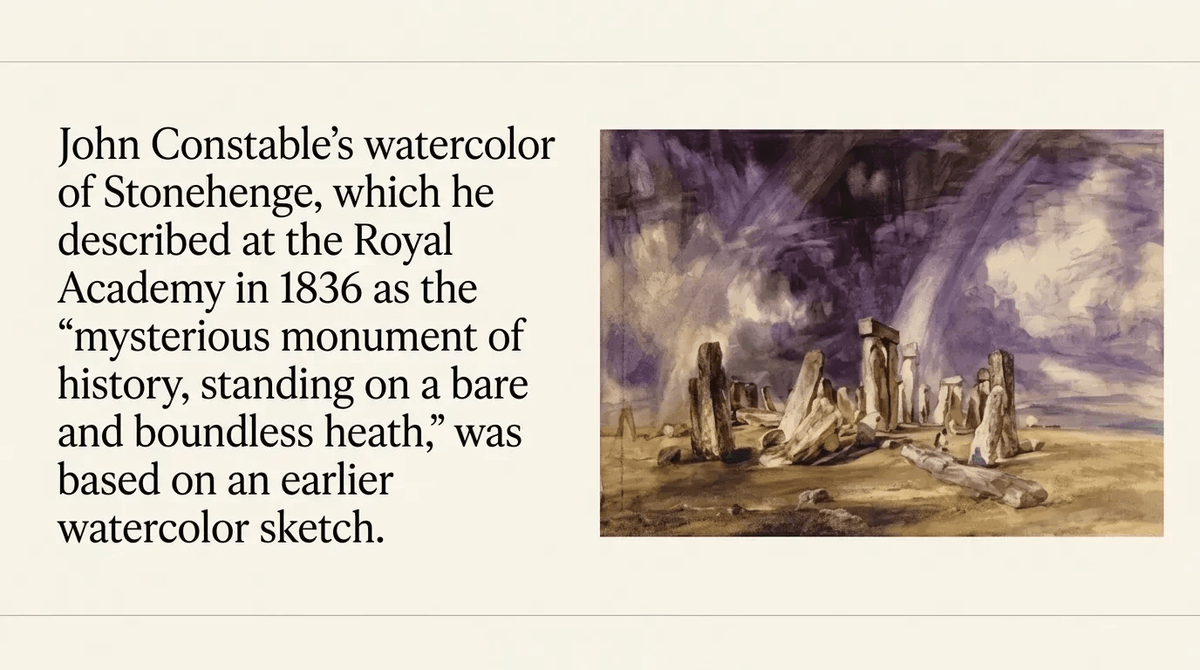
Before the invention of collapsible metal tubes for oil paint in 1841, watercolour was the most practical and widely used color medium for outdoor (plein-air) painting and preparatory studies. In the 17th century, Claude Lorrain frequently made rapid watercolour sketches in the Roman Campagna, integrating these observations into idealized studio compositions. By the late 18th century, particularly in the hands of British Romantic landscape painters, the watercolour sketch gained acceptance as an art form in its own right. Artists such as John Robert Cozens and Francis Danby masterfully used subtle watercolour washes to evoke landscape moods. For J.M.W. Turner’s watercolours, atmospheric effects and emotional resonance far outweighed topographical accuracy. By the early 19th century, watercolours were increasingly exhibited as independent works, cementing their status.
Expressive Freedom and Modernity
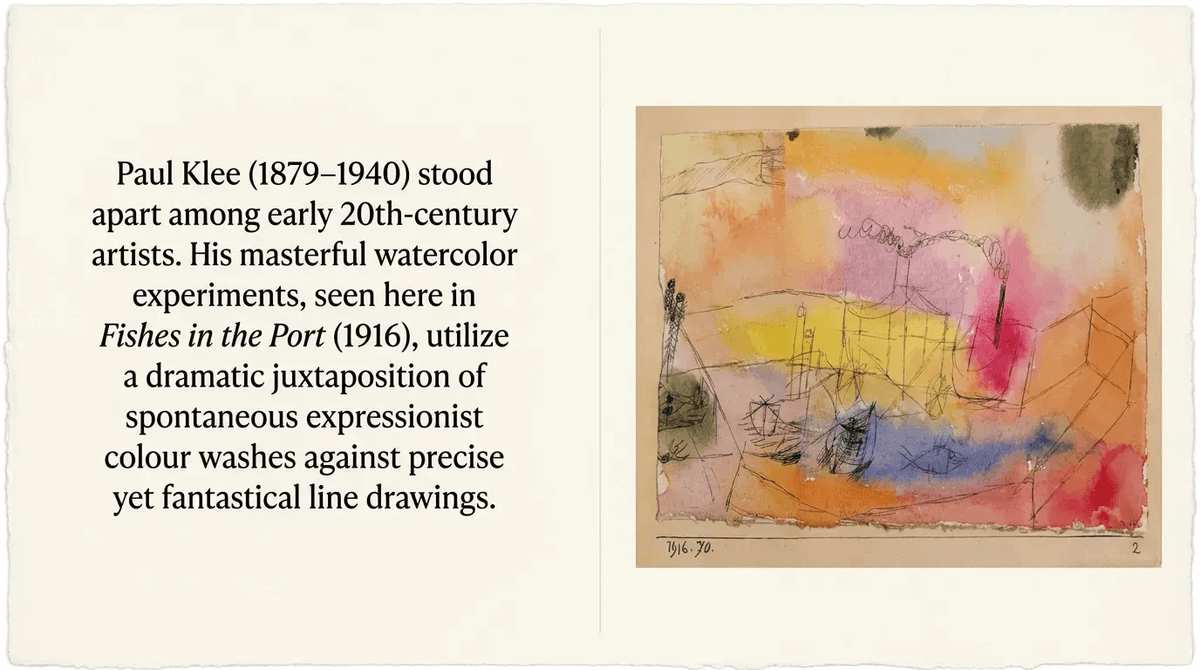
The inherent properties of watercolour—its capacity to bleed and blend, allowing artists to navigate a dynamic interplay between control and chance—made it an attractive medium for expressing thoughts and fantasies more rapidly than the deliberate, layered opacity of oil paint. From William Blake's visionary scenes in the 1790s to Paul Klee's intricate dreamscapes and Helen Frankenthaler's modern, lyrical expanses of color, watercolour's combination of luminosity, unpredictability, and evocative atmosphere has made it a powerful medium for imaginative freedom and artistic exploration across centuries.