In ancient myths and legends, statues were often believed to possess a terrifying, almost living presence—a trope famously echoed in Mozart’s opera Don Giovanni, where the stone statue of the Commendatore speaks and walks.
Curiously, the fame of a public statue often eclipses the name of the artist who made it. Millions recognize New York’s Statue of Liberty, the Venus de Milo, London’s Eros at Piccadilly Circus, or St. Petersburg’s Bronze Horseman—yet far fewer can name Frédéric Auguste Bartholdi, Alfred Gilbert, or Étienne Maurice Falconet as their creators.
Michelangelo’s David is a rare exception where artist and masterpiece share equal renown. Even so, modern audiences often separate a statue from the political message that birthed it, viewing it purely as art. Both Donatello’s bronze David and Michelangelo’s marble giant originally stood in Florence as bold civic symbols of the young Florentine Republic’s defiance against tyranny. Over centuries, however, their political edge softened into Renaissance aesthetic ideals—and eventually into global icons of Italian cultural tourism.
Standing Tall: Sacred and Political Authority
Unlike relief carvings or abstract installations, a statue is specifically a freestanding figurative sculpture. The word itself comes from the Latin stare ("to stand"), reflecting its upright, commanding posture.
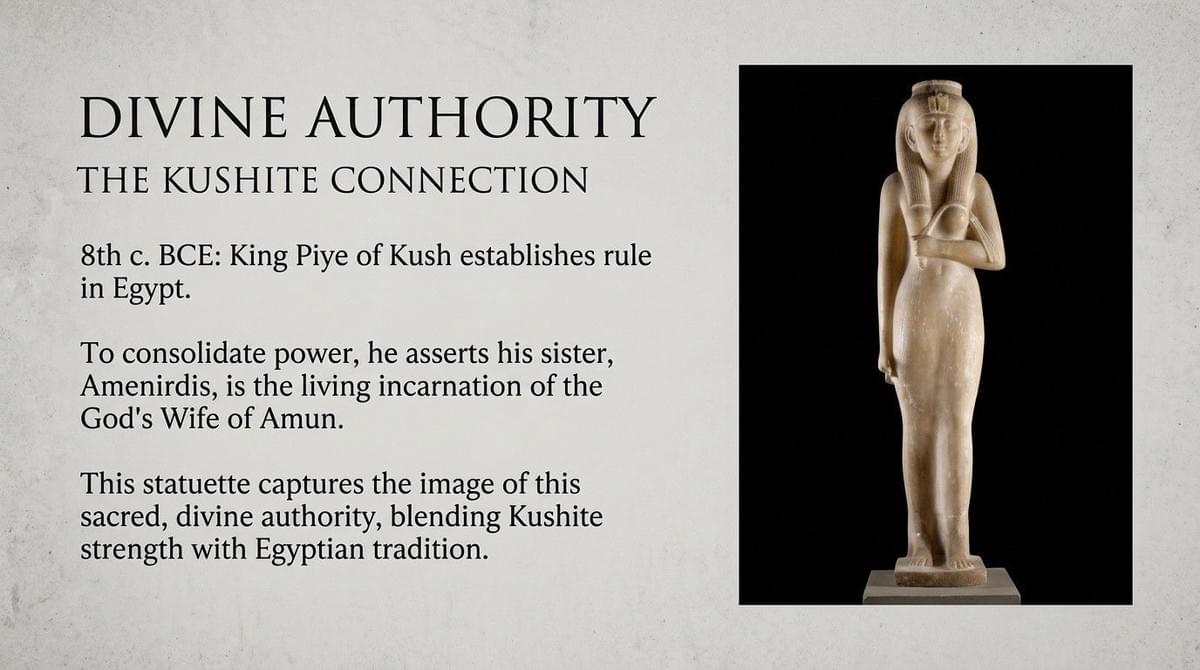
Erected in temples, sanctuaries, and public squares, statues have served for millennia as focal points for worship and catalysts for political change. Because creating a monumental statue in stone or bronze was a slow, costly undertaking that demanded immense technical skill, the medium naturally belonged to rulers and priesthoods.
Across ancient Mesopotamia and the Mediterranean—especially in Egypt and Rome—statues were direct instruments of statecraft. While ancient Greek sculptors from the 5th century BCE onward increasingly celebrated gods, heroes, and ideal human beauty, Roman patrons used sculpture far more pragmatically. Across the Roman Empire, portraits of emperors and generals filled public spaces to broadcast imperial authority and commemorate military triumphs.
From Rivaling Antiquity to Contemporary Parody
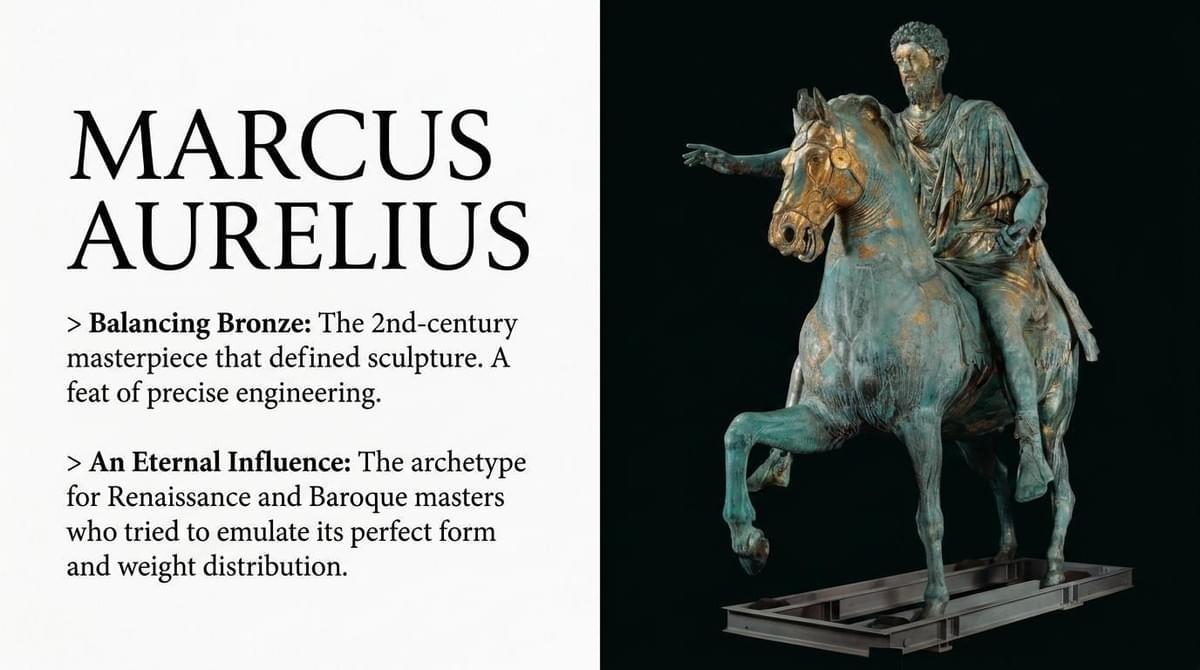
By the Renaissance and Baroque eras, European sculptors and bronze founders measured their ambition against the surviving masterpieces of antiquity. Their greatest technical hurdle was structural balance—above all, how to cast a monumental equestrian statue that could support its own immense weight, a standard set by the 2nd-century bronze statue of Roman Emperor Marcus Aurelius on Rome’s Capitoline Hill.
By the 20th century, photography, film, and mass media largely replaced public monuments as the primary vehicles of political power. Today, contemporary sculptors frequently subvert the heroic monument tradition—using unconventional, everyday materials to parody or question the classic language of authority.