Invented in China more than 2,000 years ago during the Han Dynasty, paper remains one of the most versatile and democratic materials in art history. Light, flexible, and inexpensive to produce, it serves not only as the foundation for drawing, calligraphy, watercolor, and printmaking, but also as a sculptural and conceptual medium in its own right.
From Plant Fibers to Smooth Sheets
Before paper became widespread, scribes and artists relied on costly or cumbersome surfaces: Egyptian papyrus, animal-skin parchment and vellum in Europe, or woven silk and bamboo slips in East Asia.
Made by suspending beaten plant fibers—such as mulberry bark, hemp, cotton rags, or later wood pulp—in water and draining the slurry through a fine mesh screen, paper could be produced in endlessly varied weights, textures, and shades.
East Asian Mastery: Ink, Calligraphy, and Architecture
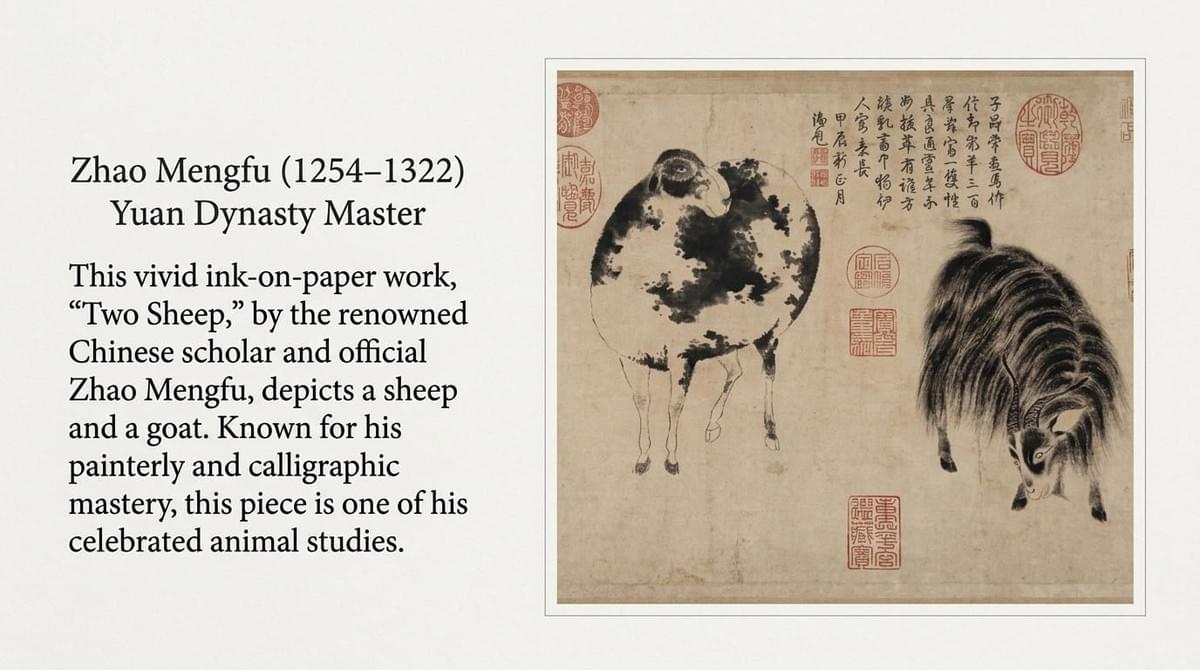
As papermaking spread across East Asia, it became inseparable from the twin arts of calligraphy and ink painting. Although early Chinese paper was used primarily for administrative records and Buddhist scriptures, by the Song (960–1279) and Yuan (1271–1368) dynasties, scholar-painters (literati) increasingly favored paper over silk for its raw responsiveness to the inked brush.
Introduced to Japan in the early 7th century and flourishing by the 8th, handmade Japanese paper (washi) prized long inner bark fibers for exceptional toughness. Strong enough to be made in large formats, paper became a defining element of Japanese interior architecture—forming translucent sliding screens (shōji) and monumental folding screens (byōbu) painted with sweeping landscapes and historical scenes.
Europe: From Preparatory Support to Modernist Collage
Paper reached Europe in the 11th and 12th centuries via trade routes linking China, the Islamic world, and Moorish Spain. For centuries, European workshops initially viewed paper as a fragile, everyday alternative to parchment—indispensable for Renaissance preparatory sketches and fine prints, yet secondary to wooden panels and oil canvas.
In the 19th century, the shift from handmade rag paper to industrialized wood-pulp production—alongside the rise of photography—flooded modern cities with mass-printed newspapers, commercial packaging, and patterned wallpaper. By the early 20th century, avant-garde artists promoted paper from a passive background support to the star of the work:
- Cubist Papier Collé (1912): Georges Braque and Pablo Picasso pasted fragments of newsprint, faux-woodgrain wallpaper, and packaging directly onto their compositions, shattering traditional illusions of depth.
- Surrealist Decalcomania: Max Ernst pressed sheets of paper onto wet paint or ink and peeled them back, using the chance, organic textures as a springboard for hallucinatory landscapes.
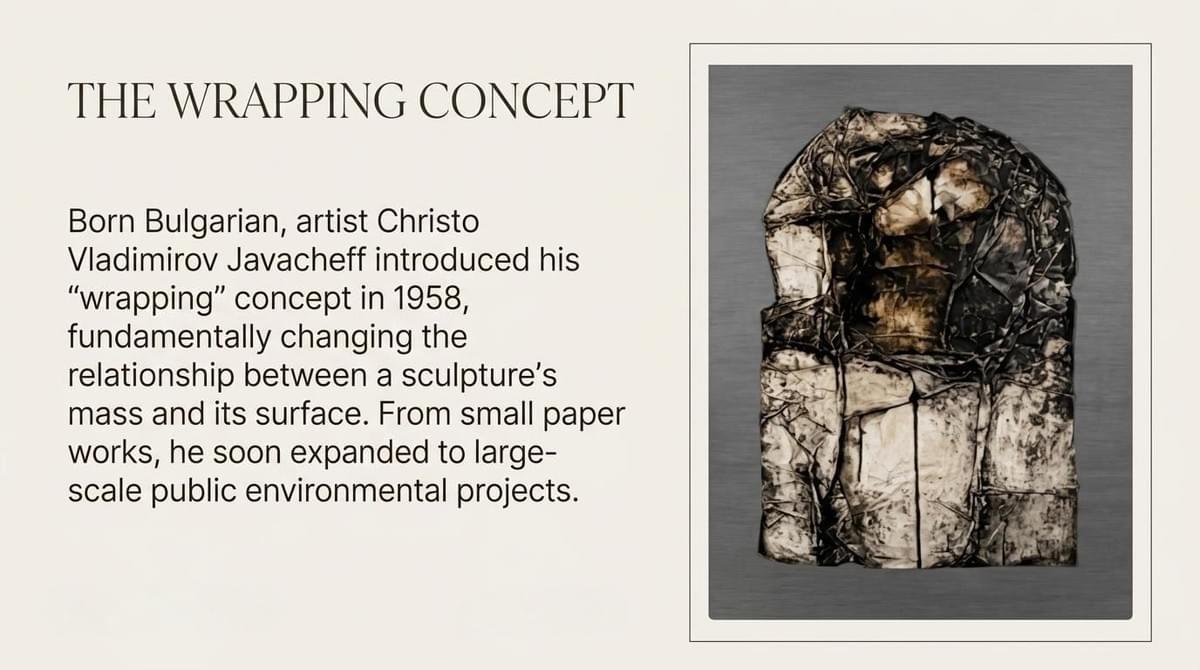
- Sculptural Wrapping (1958): Bulgarian-born artist Christo (later working alongside Jeanne-Claude) began swathing everyday objects in crumpled, lacquered paper and twine—transforming humble wrapping paper into a radical investigation of volume, concealment, and public space.