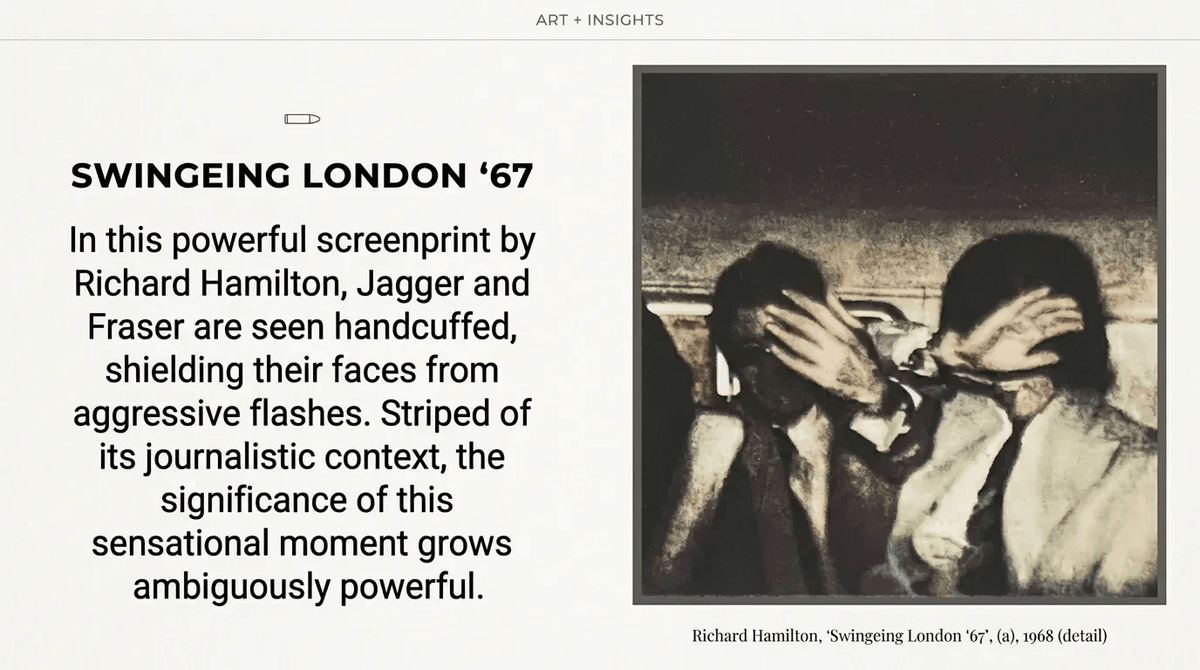
Art frequently serves a documentary function, aiming to provide visual records of facts and events. An "event" or "occurrence" is often central to the act of witnessing, and art, whether intentionally or unintentionally, can arise from the impact of imagination, making it inherently subjective rather than purely neutral.
While written accounts are often considered the bedrock of factual information, the visual representation of these accounts imbues them with particular perspectives. Even contemporary documentaries, despite their explicit aim to reflect reality and disseminate knowledge, are shaped by editorial and artistic choices. Historically, illustrated records in painting—such as detailed battlefield depictions for medical reference or meticulous botanical drawings—transcended mere information transmission to become expansive artistic endeavors. For instance, the Mendoza Codex (dating from 1540), compiled by an Indigenous scribe after the Spanish conquest of Mexico, contained archival materials of the new European rulers alongside complex Aztec imagery. Such works, initially created for record-keeping, offered multiple perspectives for understanding. However, the modern concept of "witnessing" in art goes beyond simple recording; it involves an active engagement with, and often an interpretation of, reality.
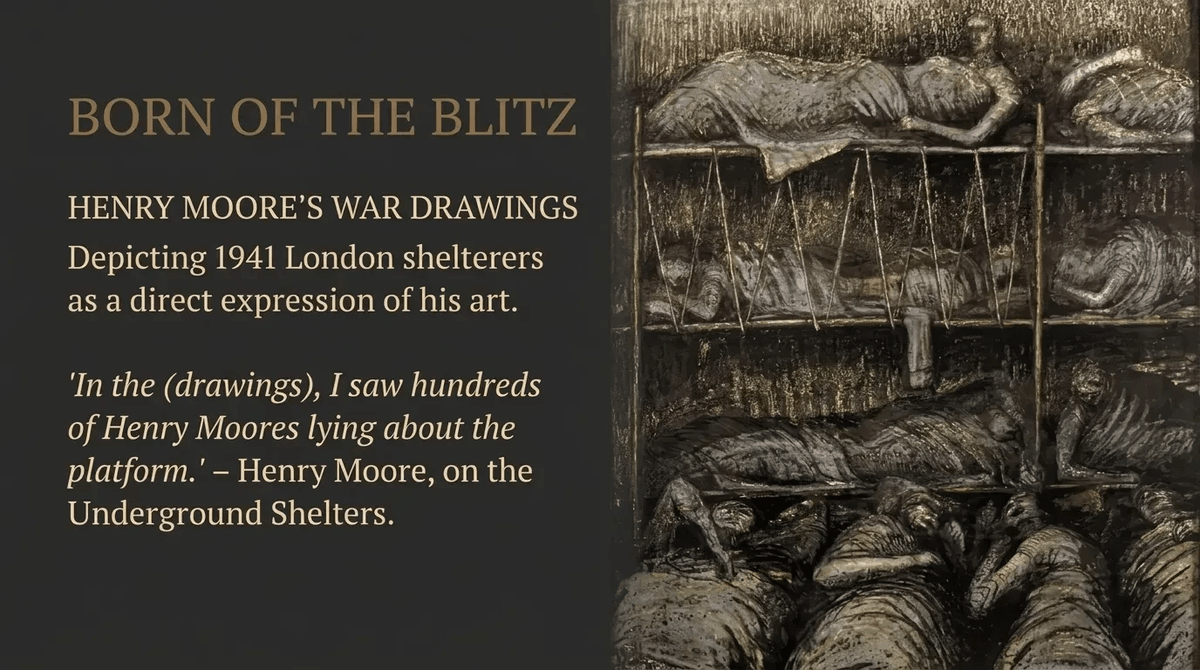
The phrase "the creative treatment of actuality" was coined by British director John Grierson in the 1930s to describe the documentary films he made for the GPO Film Unit. This highlights the growing significance of documentary film for 20th-century art, as a potent means of engaging with social issues and political activism. While reportage had always existed in various creative forms (literature, painting), film offered new dimensions. During both World Wars, artists were frequently tasked with documenting conflicts. Christopher R. W. Nevinson’s and Paul Nash’s powerful depictions of trench warfare on the Western Front convey their deeply unsettling experience. Although these artists were eyewitnesses, their painted records offered an interpretive lens, perhaps in contrast to potentially overwhelming, unmediated photographic records of such horrors. For many seeking refuge from bombing in the London Underground, Henry Moore’s powerful figures in his Tube Shelter Drawings (1940-41) are recognized as poignant, firsthand accounts that lend an eternal and timeless quality to that scene.
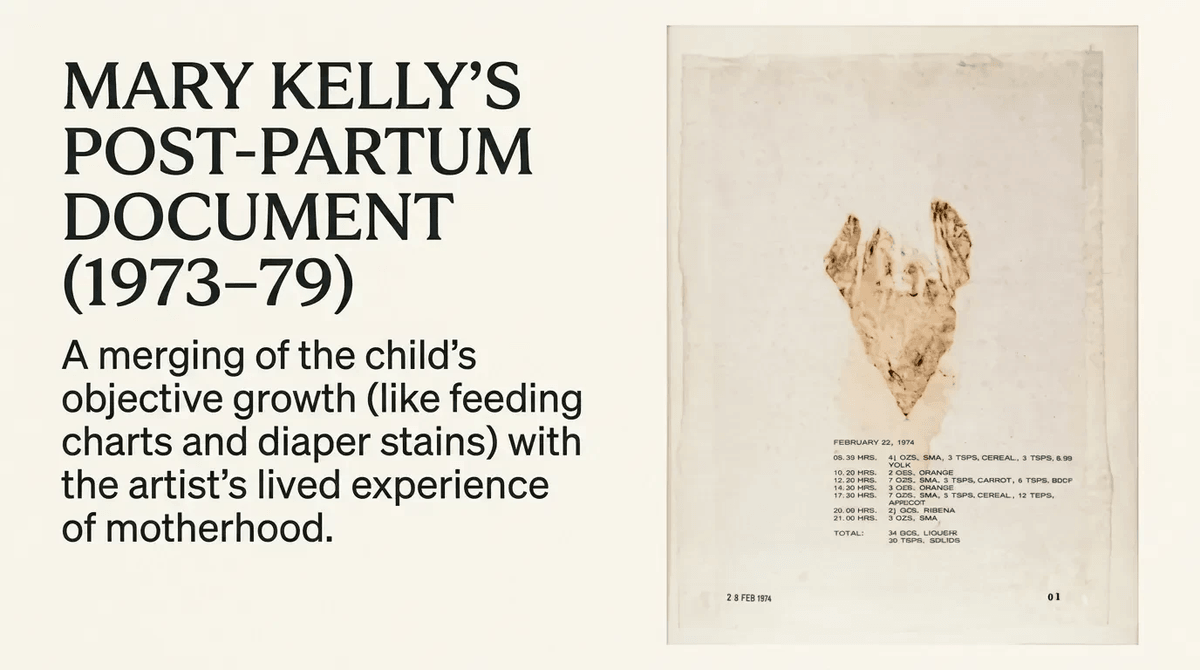
In image-based media, reality itself was increasingly defined by the photographer’s creative choices. As news stories began to be presented as absolute truth, artists were prompted to ask: "What really happened?" For example, Felice Beato’s remarkable photographic series from the Crimean War often presented an intricately constructed reality. This theme of manipulated reality or the elusive nature of "truth" in photographic images and news continued to evolve throughout the 20th century. Art, including conceptual art like Mary Kelly’s groundbreaking Post-Partum Document (1973–79), explores the complex and often unsettling nature of truth by presenting it as something "other than neutral." In this seminal work, Kelly meticulously documented the early development of her child after birth, utilizing charts, textual analysis, and even soiled diapers, transforming an intensely personal experience of motherhood into a profound and universal narrative about identity, language, and the construction of meaning.