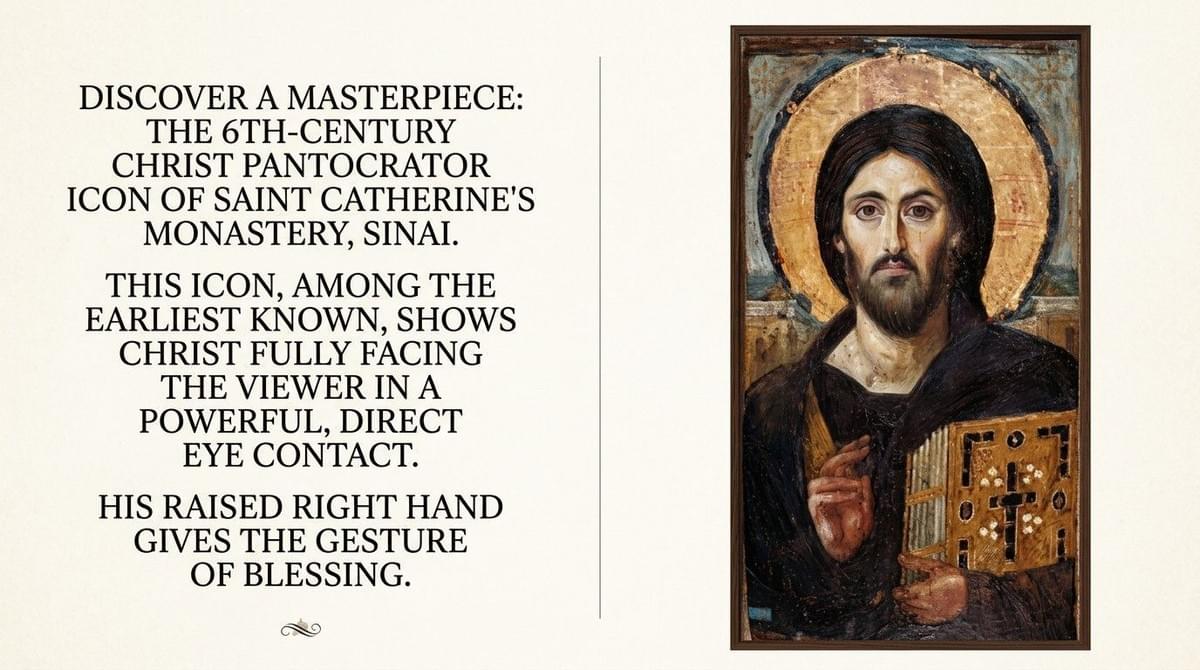
Derived from the Greek word eikon ("image" or "likeness"), the term icon originally referred to sacred panels depicting Christ, the Virgin Mary, and the saints in Eastern Orthodox Christianity. Beyond serving as objects of devotion, icons embody a profound visual philosophy: the belief that immaterial spiritual truth can be made visible through physical matter.
The Iconoclastic Controversy and the Triumph of Orthodoxy
Can the divine—or the saints—be represented in visual form? In Jewish and Islamic traditions, the answer is a strict "no," lest a man-made image cross the line into idolatry. Within the Byzantine Empire, this very question sparked the Iconoclastic Controversy of the 8th and 9th centuries, when imperial decrees ordered the systematic destruction of religious images.
Yet the defeat of Iconoclasm in 843 CE—celebrated ever since as the Triumph of Orthodoxy—had momentous consequences for Western art. Even after the 16th-century Protestant Reformation revived debates over religious imagery in Northern Europe, Christian churches across the Orthodox and Catholic worlds continued to preserve figurative traditions inherited from Greco-Roman antiquity, infusing visual art with deep theological purpose.
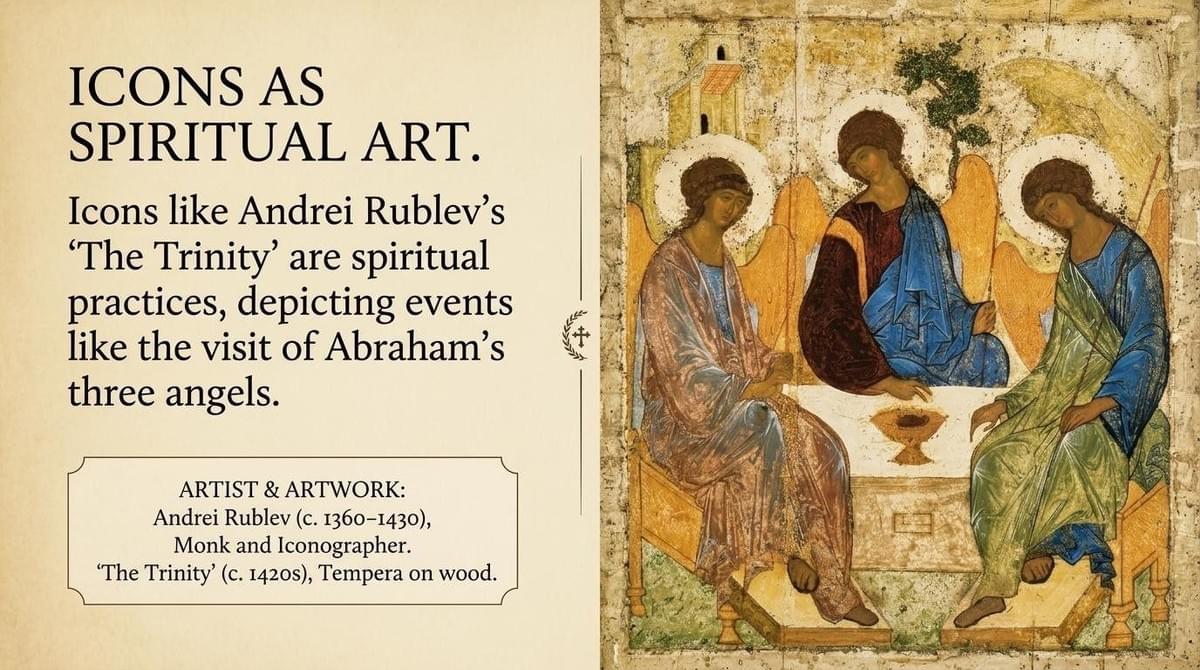
"Theology in Color": The Incarnation and Sacred Flatness
Russian philosopher Evgeny Trubetskoy famously described Russian icons as "theology in color." Although God the Father was never directly depicted, Jesus Christ—whom St. Paul called "the icon of the invisible God"—along with the Virgin Mary (Theotokos), apostles, and saints, stood at the heart of the tradition. As Church Fathers like St. Basil the Great and St. John of Damascus argued, Christian art and faith were bound together by the Incarnation: because God became visible human flesh in Jesus, material pigments and wood could serve as sacred conduits of grace, where honor paid to the image passes directly to the spiritual prototype.
Rooted in late antique panels from Egypt and the Levant—such as the haunting 6th-century encaustic Christ Pantocrator at Saint Catherine’s Monastery in Sinai—this tradition flourished across Byzantium, Greece, and Russia. Believed to answer prayers, work miracles, and protect cities in wartime, icons functioned as "windows into heaven." To prevent viewers from mistaking the panel for a mere physical replica, icon painters deliberately eschewed naturalistic three-dimensional depth and cast shadows, using radiant gold leaf and reverse perspective to point toward a timeless, supernatural reality.
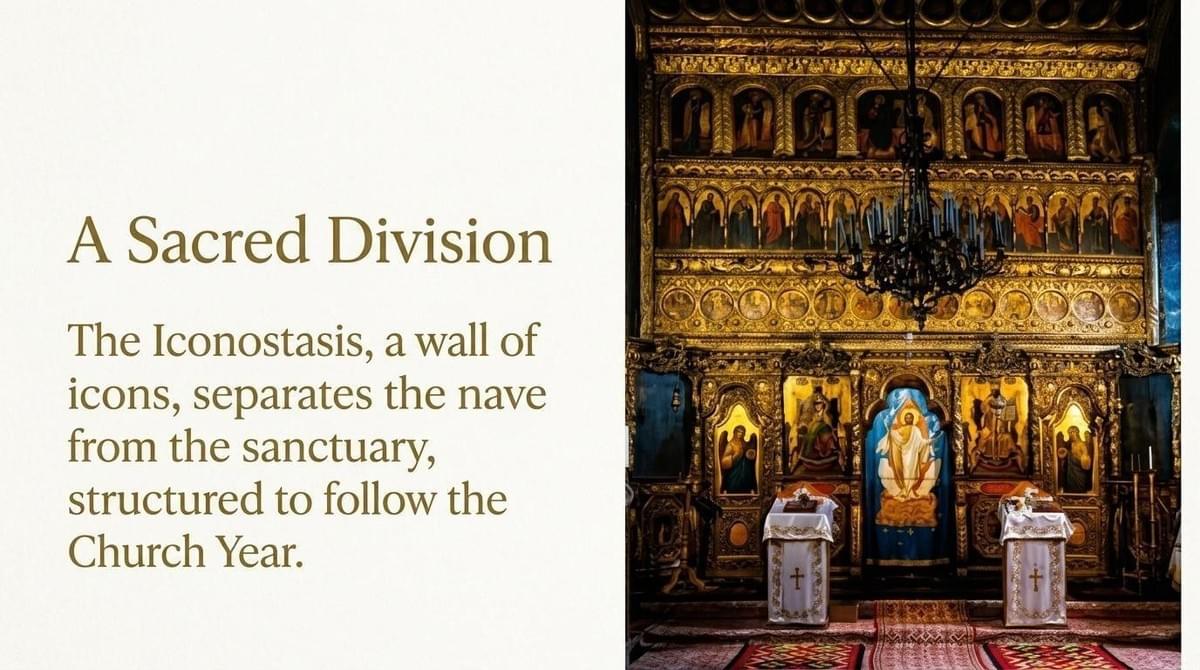
From Portable Sacred Panels to Modern Pop Icons
Unlike frescoes, mosaics, and stained glass—which are permanently bound to church walls—icons are portable sacred objects that accompany believers through daily life. While their spiritual meaning belongs to Orthodox theology, their visual power has been continually reimagined by modern and contemporary artists:
- Secular Celebrity Icons: In the 20th century, Pop Art explored the quasi-religious adoration of consumer goods and mass-media stars—most famously in Andy Warhol’s gold-ground silkscreens of Marilyn Monroe (Gold Marilyn Monroe, 1962) and Elvis Presley, which explicitly echo Byzantine icons.
- Repetition and Devotion: Exploring how faithful copying sustains an icon's aura across time, Belgian-born artist Francis Alÿs staged his acclaimed installation Fabiola at the National Portrait Gallery in London (2009)—bringing together nearly 300 amateur and folk copies of a lost 19th-century French portrait of the 4th-century Christian saint Fabiola to show how collective devotion turns an image into a living icon.