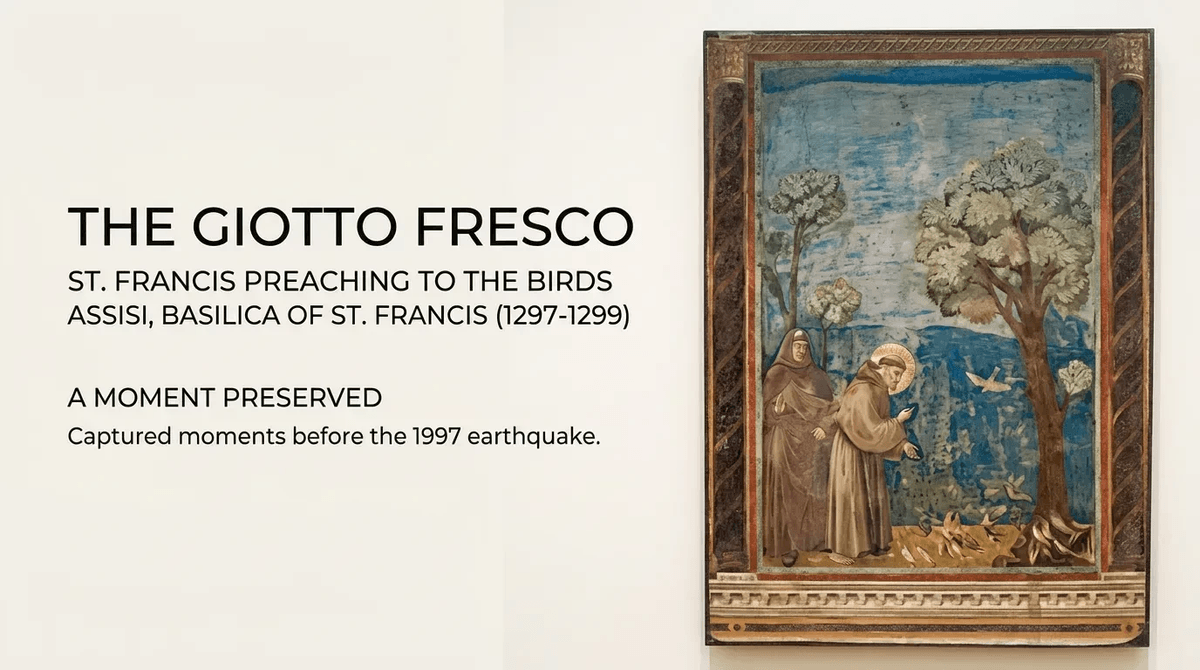
The inherent quality of transience, by definition, suggests a brief existence, yet it stands in stark contrast to the grand narratives of permanence often expected in art. This concept of transience, however, is a potent one, reflecting life's fleeting nature and the ephemeral quality of material existence. It represents an assertion that art can deeply engage with the immediacy of the present moment and its inevitable passage.
Among all human activities, creative endeavors maintain a uniquely complex relationship with time. Considerations regarding the process of creation, the mode of existence, assigned meaning, social context, and experiential aspects all render the concept of time an essential factor in art. This understanding often differentiates art from mere entertainment. While entertainment might offer a temporary escape from temporal awareness, art often aims to stimulate aesthetic appreciation, contemplation, and commemoration. The inherently fleeting nature of a fireworks display, for instance, can blur the lines between spectacle and art, challenging conventional categorization.
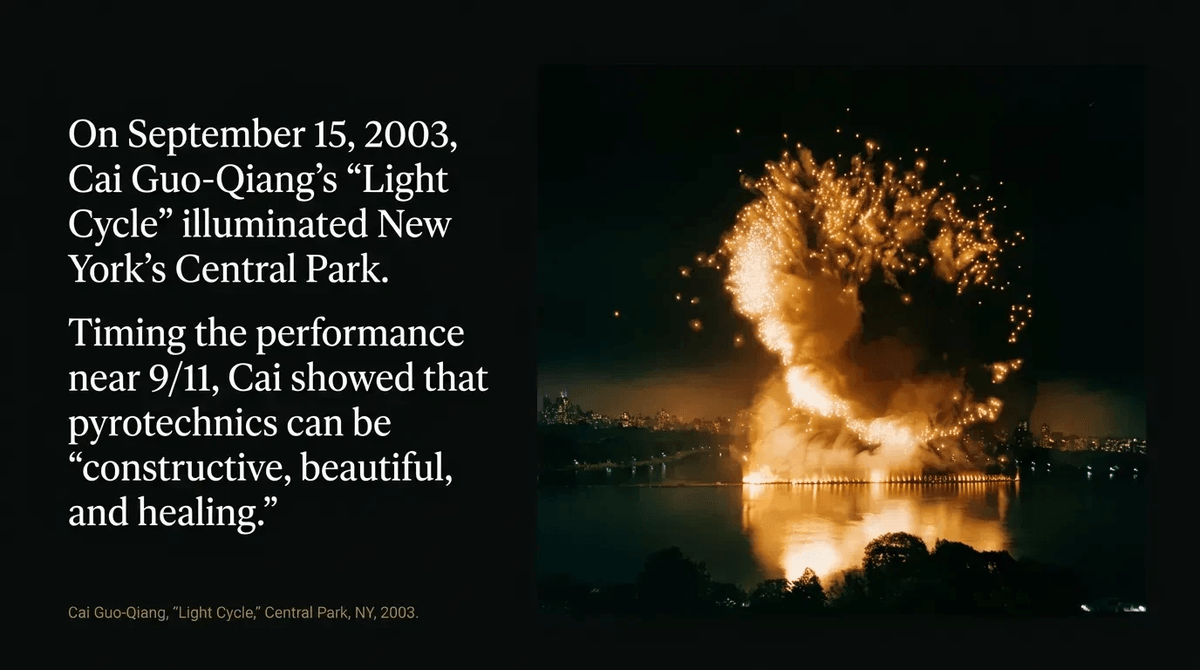
The inherent quality of transience, by definition, suggests a brief existence, yet it stands in stark contrast to the grand narratives of permanence often expected in art. This concept of transience, however, is a potent one, reflecting life's fleeting nature and the ephemeral quality of material existence. It represents an assertion that art can deeply engage with the immediacy of the present moment and its inevitable passage.
Among all human activities, creative endeavors maintain a uniquely complex relationship with time. Considerations regarding the process of creation, the mode of existence, assigned meaning, social context, and experiential aspects all render the concept of time an essential factor in art. This understanding often differentiates art from mere entertainment. While entertainment might offer a temporary escape from temporal awareness, art often aims to stimulate aesthetic appreciation, contemplation, and commemoration. The inherently fleeting nature of a fireworks display, for instance, can blur the lines between spectacle and art, challenging conventional categorization.
Unlike certain religious or social art that explicitly aims to break taboos, the embrace of avant-garde transient art, while now widely accepted, often explores different concerns related to temporality and material existence. Gustav Metzger, for instance, developed and promoted his central theory of "auto-destructive art" in the 1960s, a concept directly aligned with the avant-garde practice of transience and artistic impermanence. Such art actively questions the pursuit of eternity, with artists demonstrating that durable objects, by their very nature, can merely represent the phenomenal world, while transient works can embody deeper concepts. Driven by such ideas, Jean Tinguely famously staged the self-destruction of his kinetic sculpture Homage to New York (1960) outside the Museum of Modern Art, underscoring the artistic power of planned obsolescence and ephemerality.
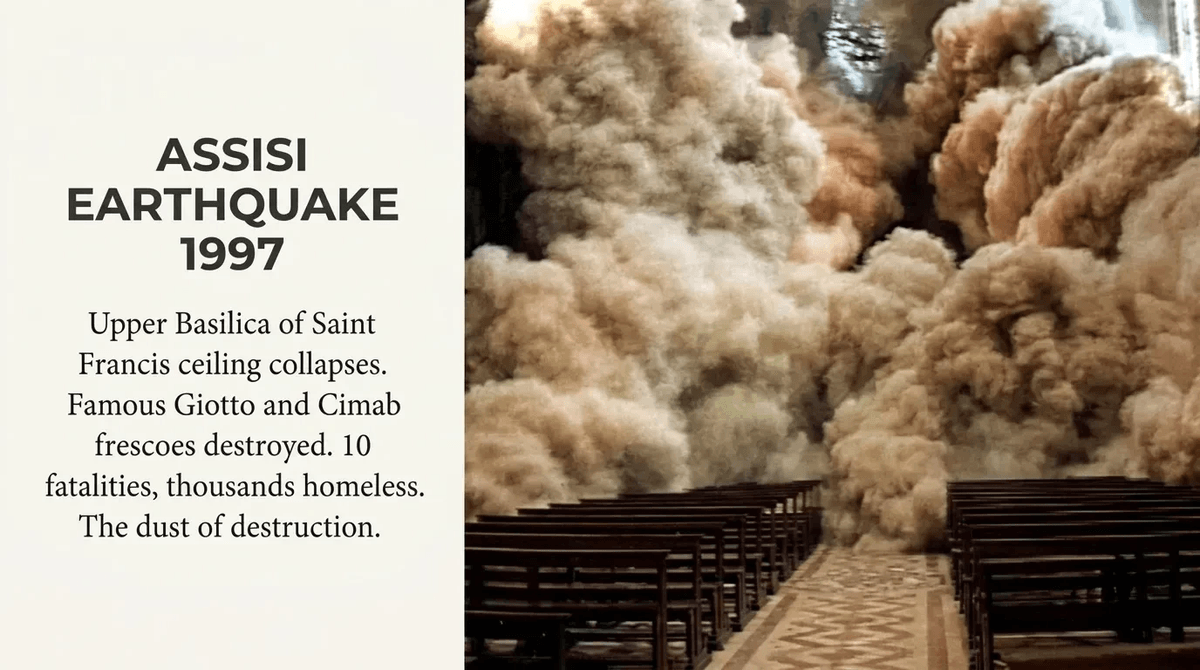
The prospects for ephemeral art remain compelling. In the contemporary visual landscape, specific forms of life and death, often captured and disseminated through various media, have become increasingly prevalent. We are all familiar with images of human vulnerability and the vanishing of life. The image below of the dust clouds from the 1997 earthquake in Assisi, Italy, recorded by video cameras, vividly conveys a profound sense of immediacy and loss, serving as a poignant reminder of both artistic fragility and human mortality.