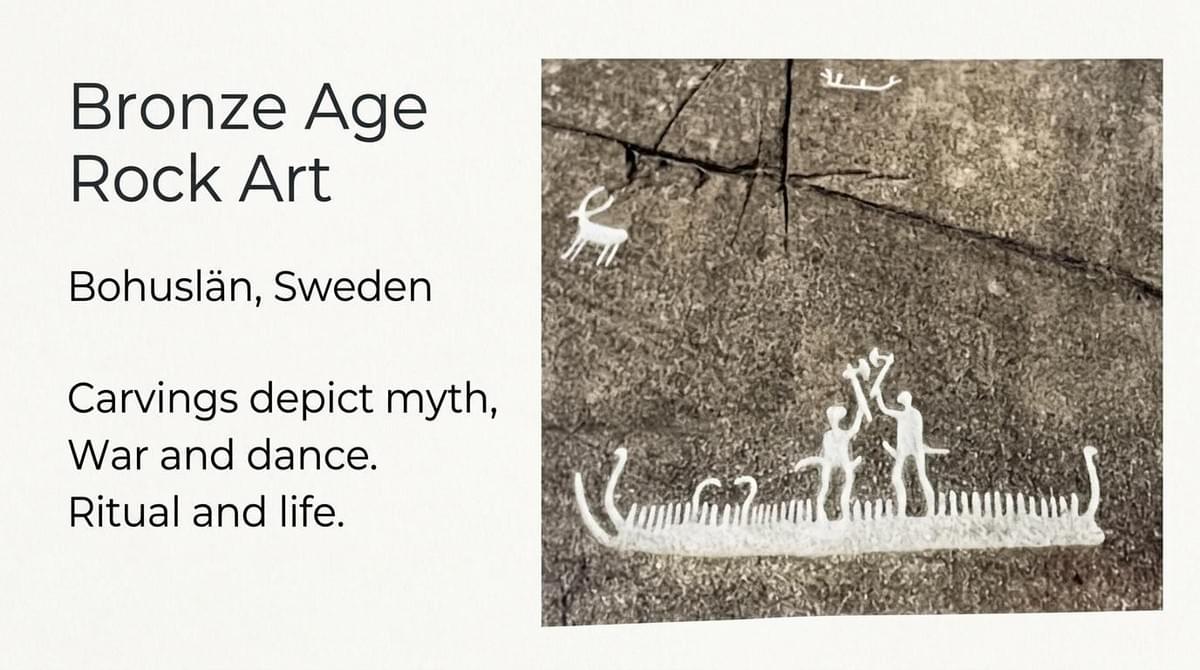
Long before galleries existed, human creativity began in the dark. Spanning Europe, Africa, Asia, and Australia, cave and rock paintings date back more than 30,000 years. They are humanity’s oldest surviving visual records—and they were never meant just for decoration.
Painting in the Dark: European Cave Art
Discovered in 1994 in the Ardèche Gorge of southern France, the Chauvet Cave holds hundreds of striking, life-sized animal paintings—bison, rhinoceroses, and prowling lions. Created roughly 30,000 years ago using mineral pigments and plant sap, their bold lines and sense of movement still feel remarkably modern.
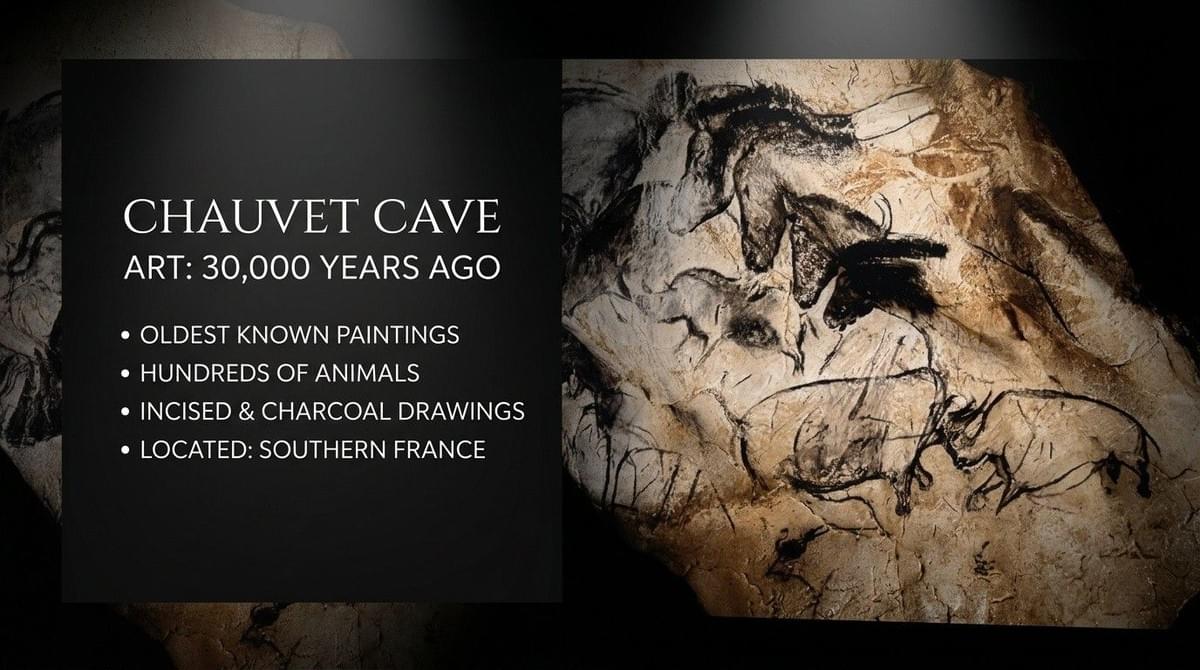
Discoveries at Chauvet, along with Lascaux, Niaux, and the Trois-Frères (Three Brothers) caves in France, raise a fundamental question: Why did prehistoric humans crawl into pitch-black, nearly inaccessible caverns to paint?
Anthropologists believe these deep chambers served as sacred spaces. Rather than simple ornaments, the paintings were functional tools for survival—used in rituals to draw spiritual strength, bond the community, and ensure a successful hunt.
To bring these images to life, early artists ground red ochre, black manganese dioxide, and charcoal. They applied the pigments with their fingers, animal-hair brushes, or even blew them through hollow bones like prehistoric airbrushes—techniques not far removed from how artists work today. After careful restoration at Chauvet, visitors and researchers can still see the actual handprints left behind by these early creators.
A Living Tradition: Australian Rock Art
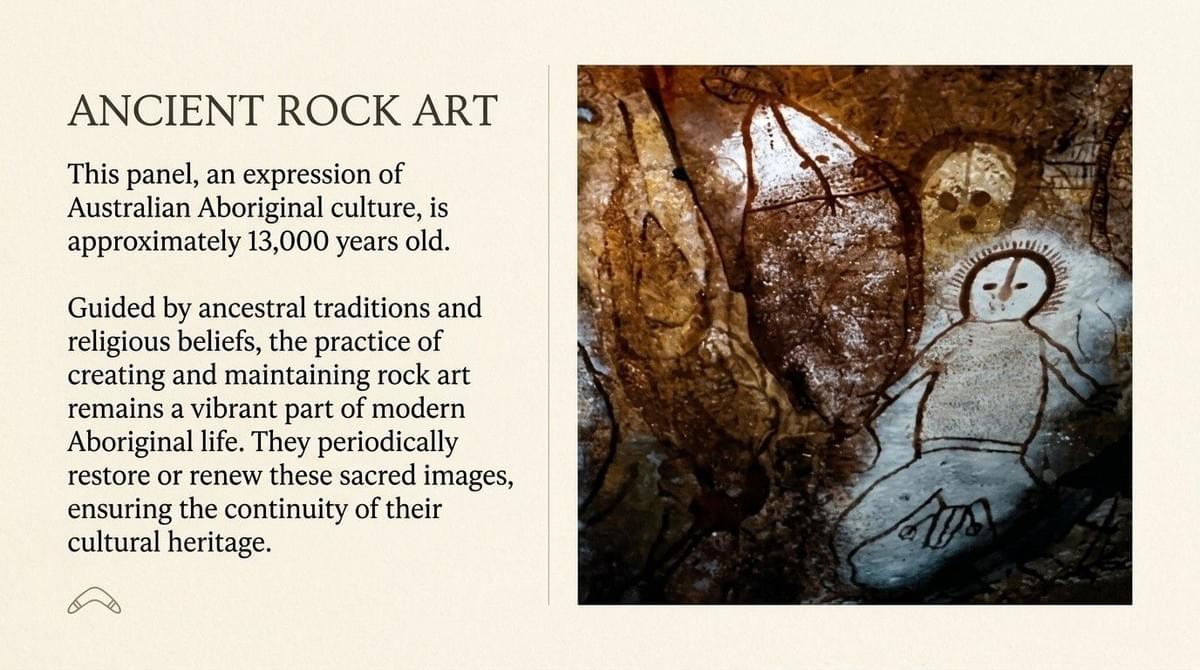
While European cave art was eventually sealed away by time, Australian Aboriginal rock art tells a story of unbroken continuity. Painted on open rock shelters rather than deep caves, works like the Gwion Gwion paintings in Western Australia’s Kimberley region date back around 13,000 years.
Rooted in ancient lore and ancestral stories, these paintings were never abandoned. For Indigenous Australians, rock art is a living cultural anchor; generations have continuously repainted and refreshed these sacred sites to pass down laws, beliefs, and history.
From Rituals to Daily Life
Looking at prehistoric art through an anthropological lens reveals how deeply ceremonies shaped early human societies. Beyond cave walls, archaeologists in Western Europe have unearthed over 2,500 human and animal figurines dating between 29,500 and 2,500 BCE, alongside later open-air rock carvings in northern Europe. Together, these works capture brief, dramatic moments of myth, warfare, and community life—proving that from the very beginning, art was how humanity made sense of the world.