Portraiture is an intimate dialogue between artist and subject, a fundamental human impulse to record and preserve individual identity. Across millennia, painting and sculpture have served as the primary means to capture a person’s likeness, transcending fleeting moments to create enduring representations of their essence.
Idealization vs. Realism: From Ancient Egypt to Rome
Early forms of portraiture often blended individualized features with idealized forms or divine attributes. Ancient Egypt, for instance, produced striking, lifelike effigies like the Bust of Nefertiti (c. 1345 BCE, Berlin Museum), renowned for its exquisite realism.
In ancient Rome, portraiture evolved from the early Republic’s unsparingly realistic verism (emphasizing every wrinkle and flaw) to the imperial era’s blend of realism and idealized authority. From the 1st century BCE to the 4th century CE, portraits on gravestones, sarcophagi, and busts increasingly highlighted unique individual characteristics. Emperors like Caracalla (3rd century CE) were vividly portrayed with a scowling intensity, conveying their temperaments and roles as rulers. These portraits were not merely records of appearance; they communicated social status, familial identity, and personal narrative.
Renaissance Heroism and Reformation Introspection
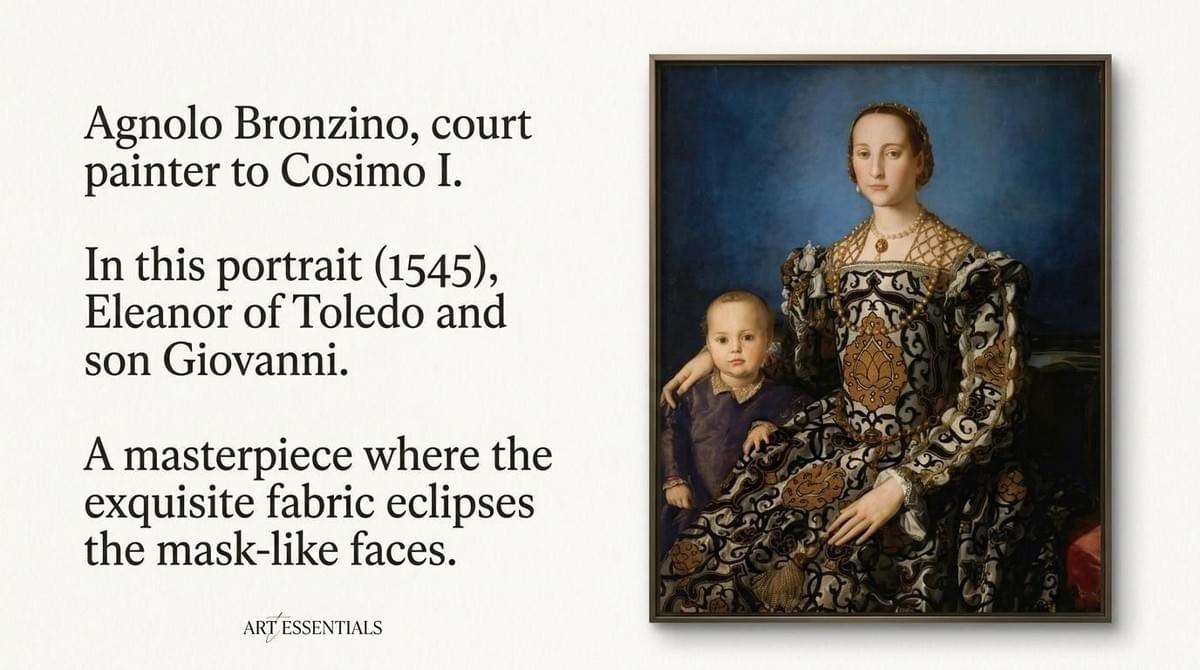
The Italian Renaissance saw portraiture achieve new psychological depth. Heroic figures who shaped their destinies through intellect and action were celebrated with portraits that conveyed their wisdom and inner life. In Andrea del Verrocchio’s Bust of Lorenzo de’ Medici (c. 1478–1480), for instance, we see a penetrating gaze and subtle psychological complexity that goes beyond mere physical likeness.
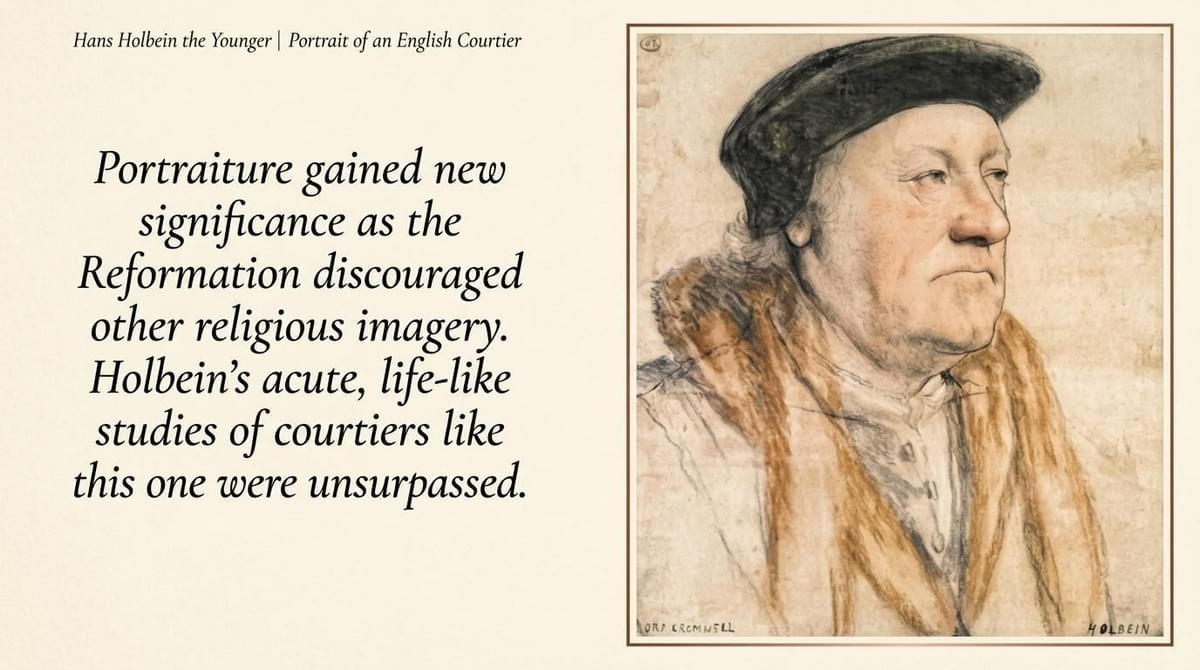
In Northern Europe, the Reformation’s skepticism toward traditional religious imagery led to a surge in private portrait commissions. Artists like Hans Holbein the Younger (c. 1497–1543) became masters of capturing the subtle nuances of human character. His acute, lifelike drawings and paintings of courtiers and intellectuals, such as Erasmus of Rotterdam, possess an unsurpassed psychological intensity, revealing both the sitter's physical presence and their intellectual gravitas.
Photography’s Challenge and Modern Deconstruction
The advent of photography in the 19th century profoundly transformed portraiture. While it democratized image-making—allowing ordinary people to possess their own likenesses—it also pushed painted portraiture to redefine its unique artistic purpose. Masters like Frans Hals imbued their subjects with lively spontaneity, while Johannes Vermeer created genre scenes whose contemplative figures evoke a powerful sense of inner life, even when not strictly commissioned portraits.
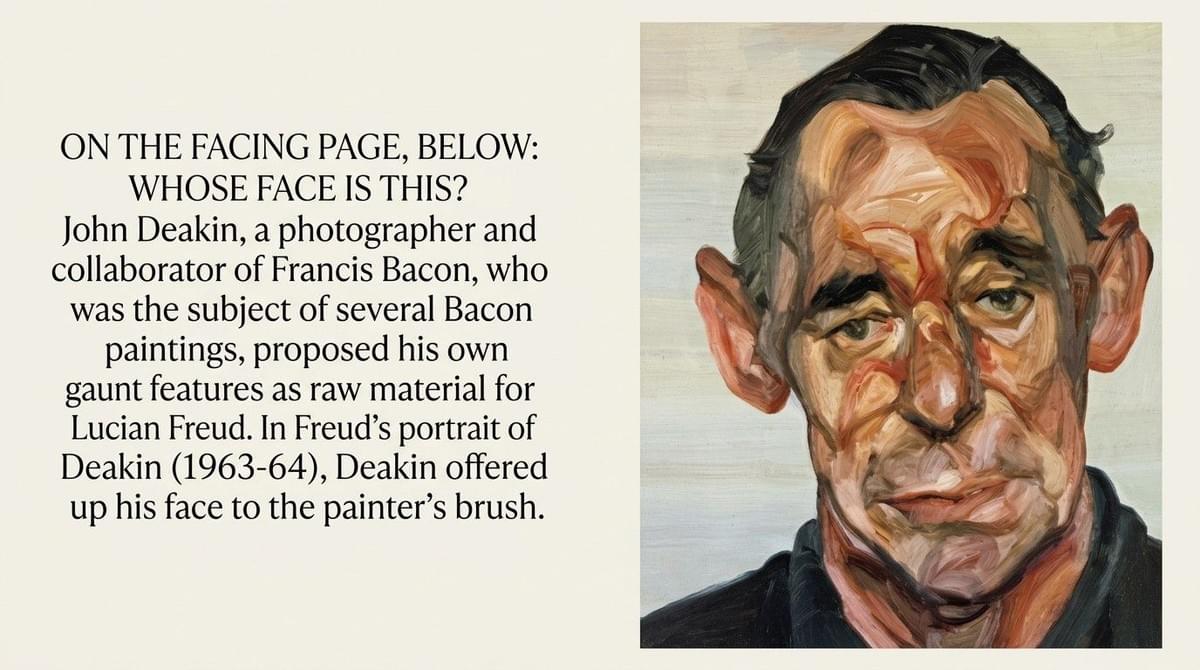
In the 20th century, modern and contemporary artists often deconstructed traditional portraiture to explore identity, psychology, and the very act of seeing. Francis Bacon’s raw, visceral paintings, for example, distorted human forms to expose existential anxieties. His frequent subject and friend, photographer John Deakin, famously offered his "raw material"—his own gaunt features—to painters like Lucian Freud, whose unflinching portrait of Deakin (1963–1964) captured a deeply expressive, almost tortured humanity. This evolution demonstrates how portraiture continues to be a vital artistic medium for exploring the human condition in all its complexity.